Physical Artwork: Cotton paper on aluminum dibond 100×150 cm – Edition of 3 + 1 A.P. 60×90 cm – Edition of 2 + 1 A.P. 40×60 cm – Edition of 2 + 1 A.P.
NFT #1/1 minted on Ethereum
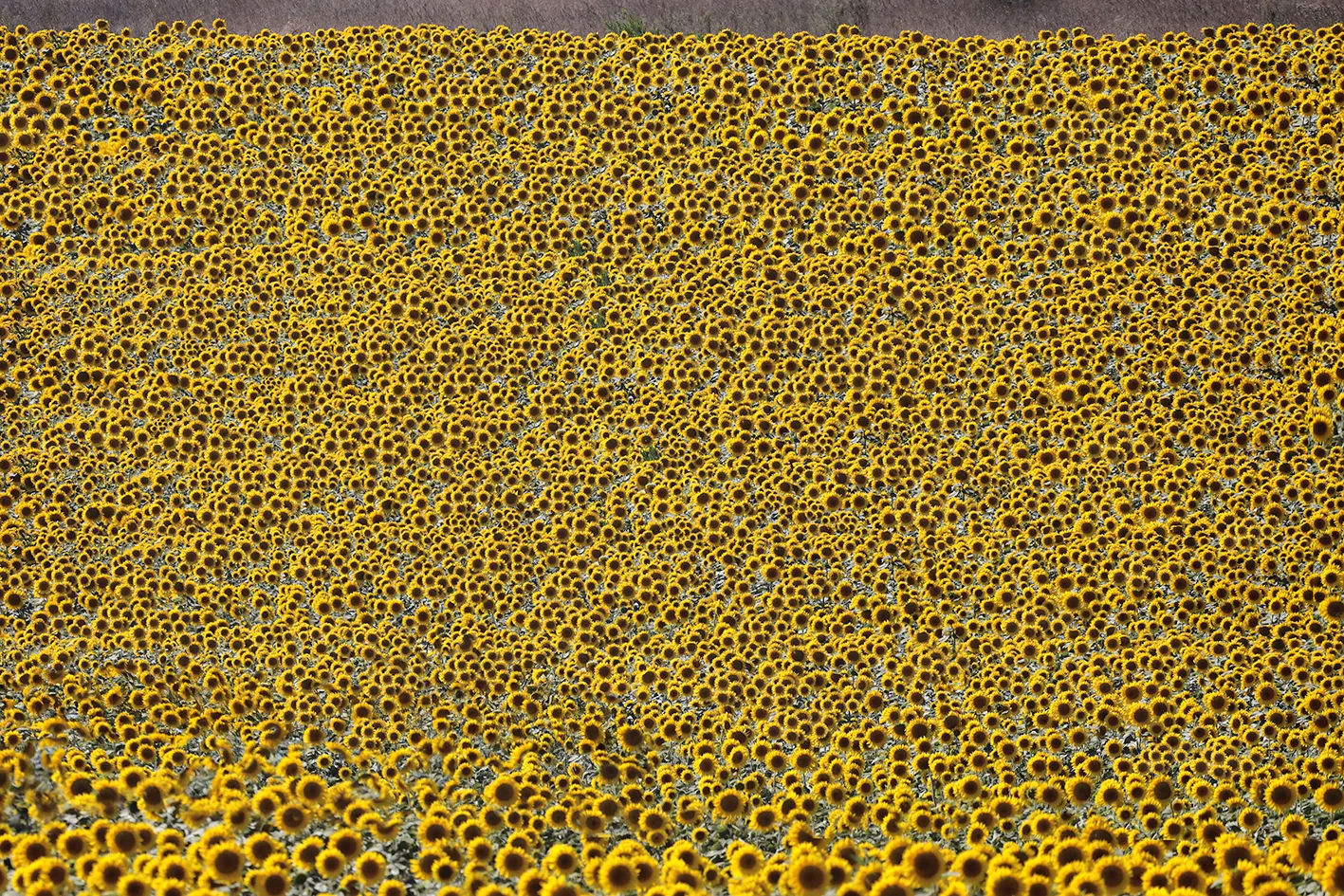
Series – Girasoli: Natura Viva
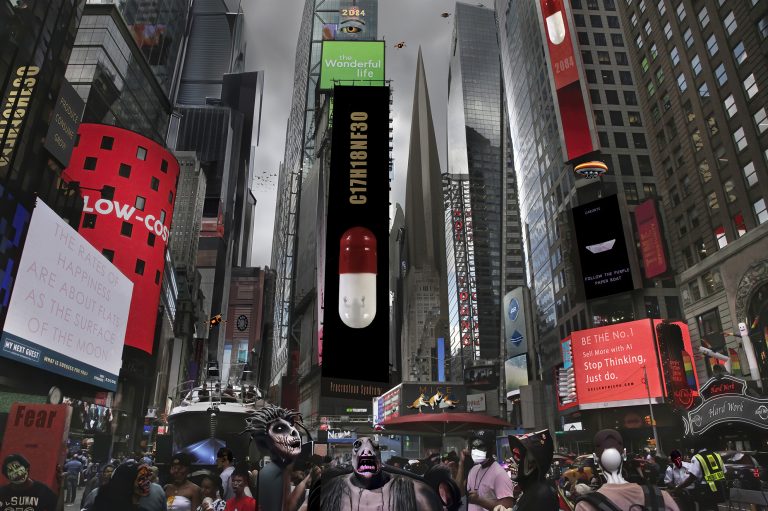
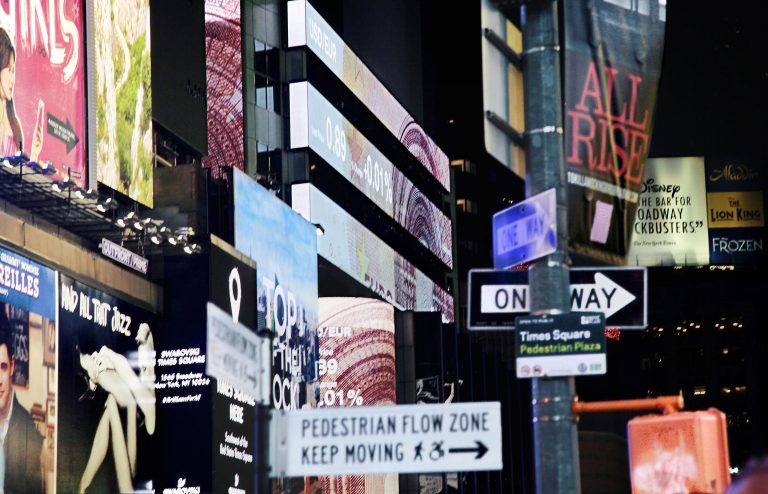
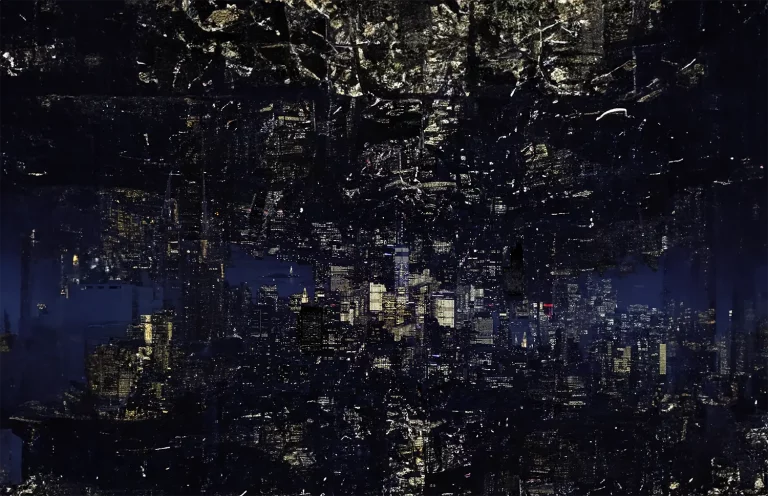
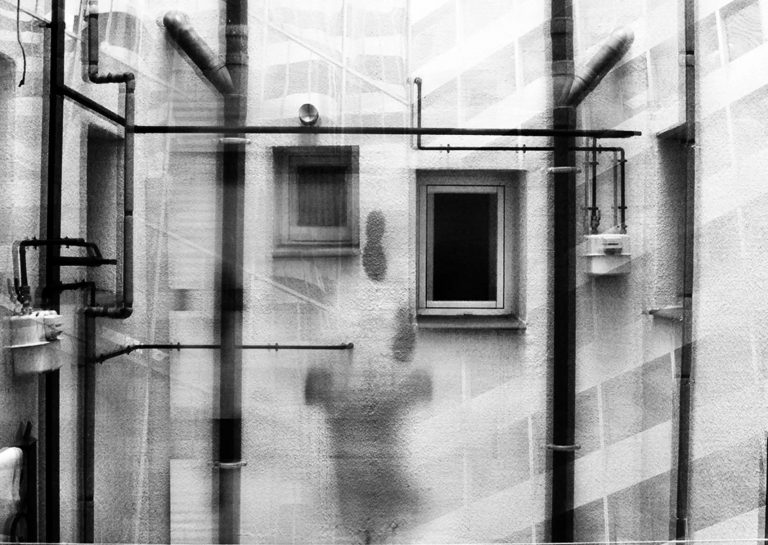
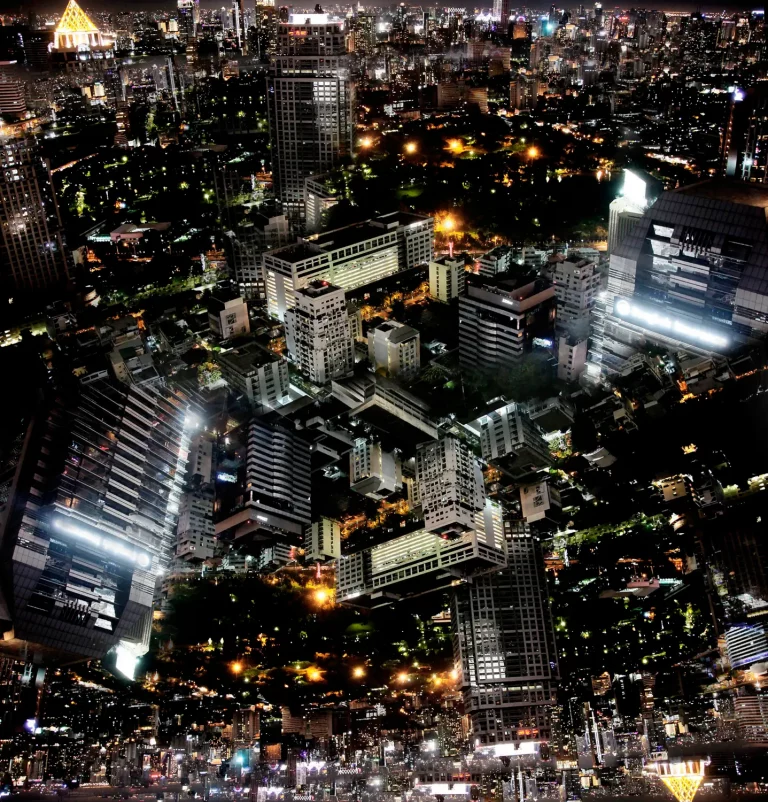
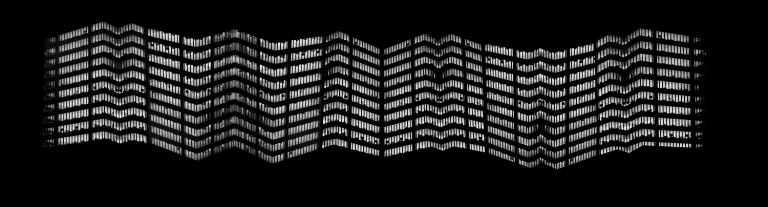
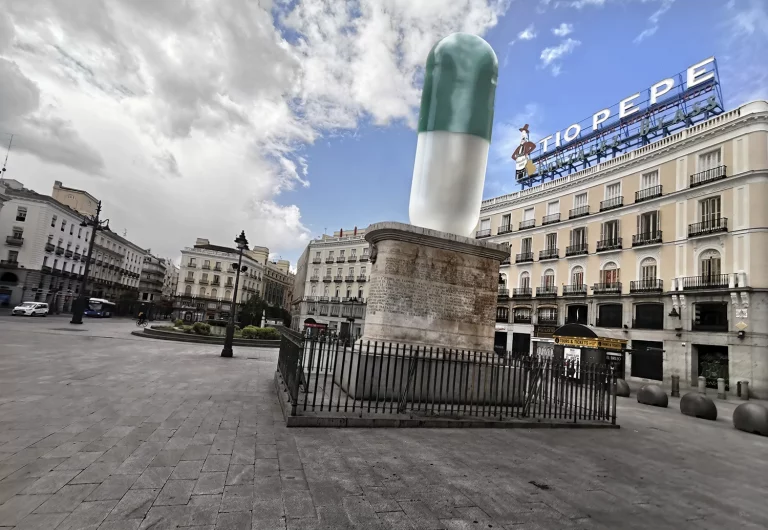
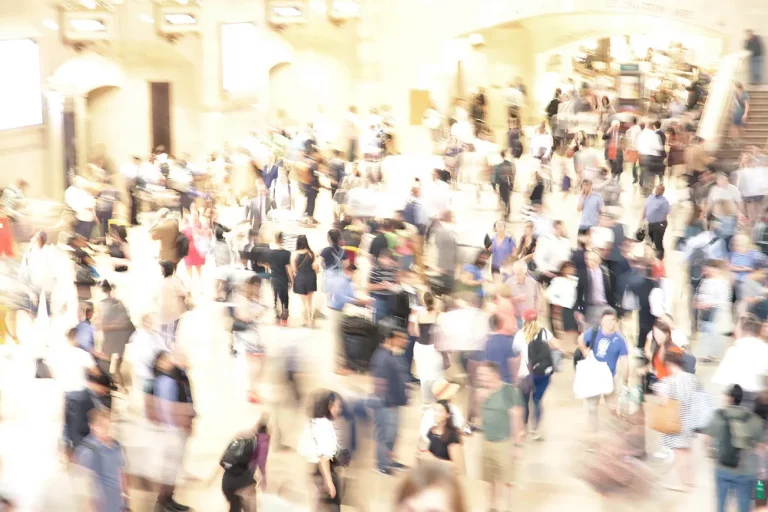
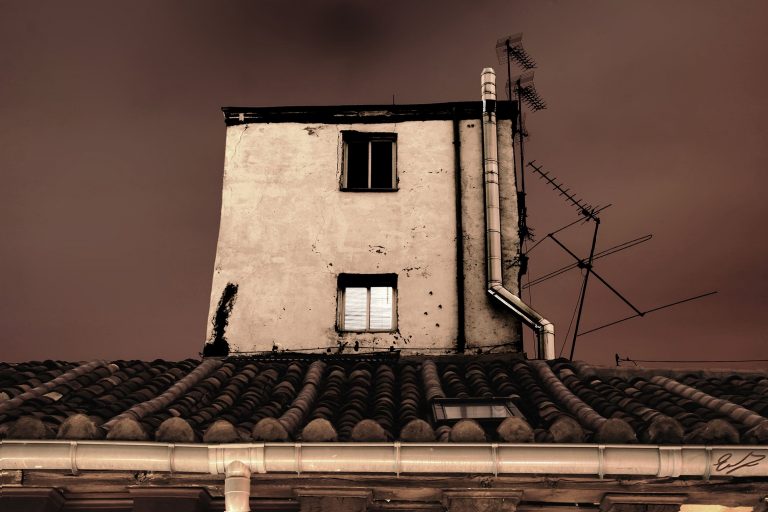
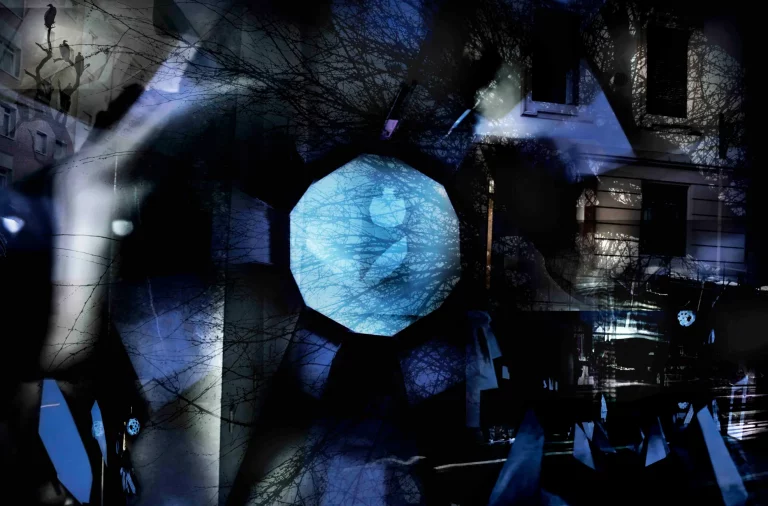
METRÓPOLIS
The city as a system of tension and instability
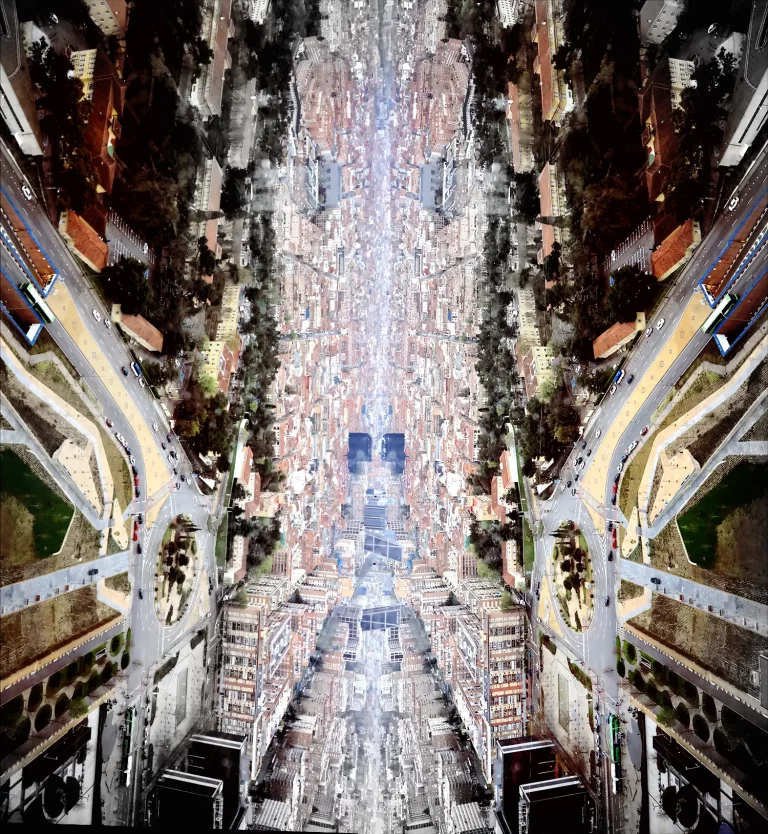
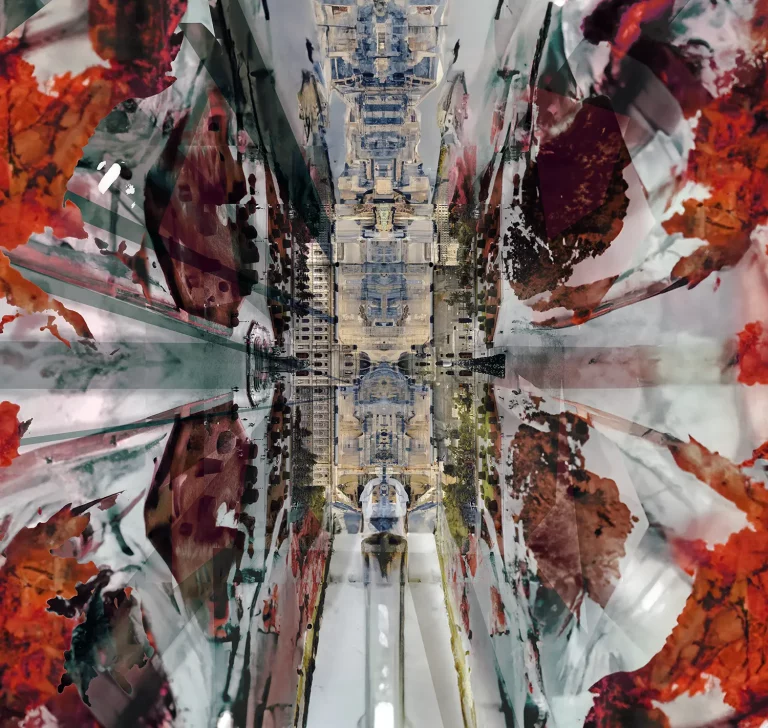
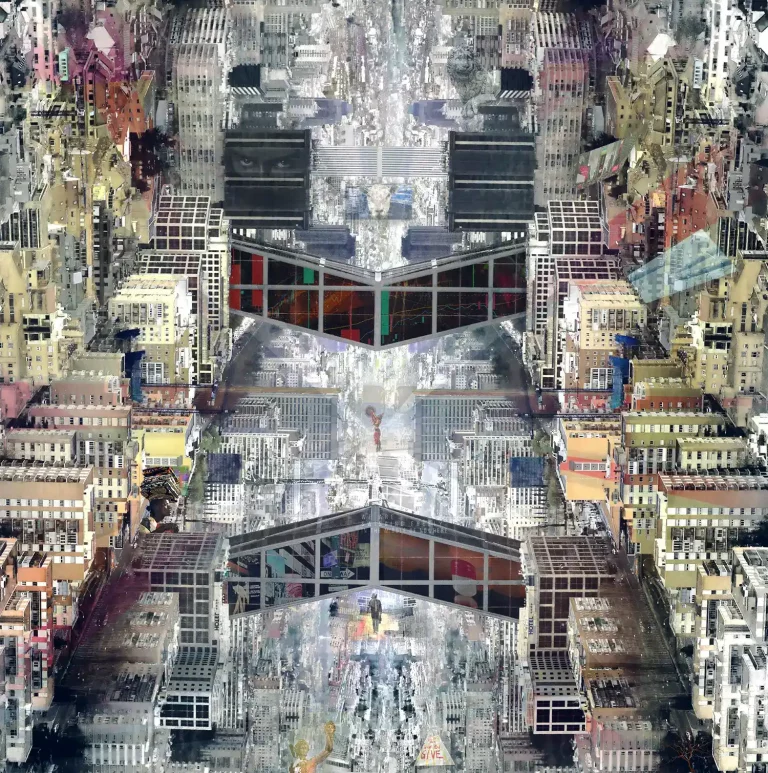
A metropolis is not a place. It is a system of tension.
The πόλις have always been accumulations of human energy: unstable centres where order and collapse, progress and decay, coexist in precarious equilibrium. In this series, the city abandons its role as backdrop to become an active structure, a field in which the visible is only the outermost layer.
Through More Than Real, the artworks pierce through appearance to reveal hidden densities: flows of information, cultural inertias, symbolic architectures that shape perception and behaviour. The everyday loses its neutrality. It becomes unstable.
Urban icons no longer function as reference points. They operate as saturated constructions, machines of meaning. The city emerges as a laboratory of the human condition, where living, producing and moving forward are processes in constant negotiation.
Metrópolis does not represent the city. It dismantles it.
Previous
Next
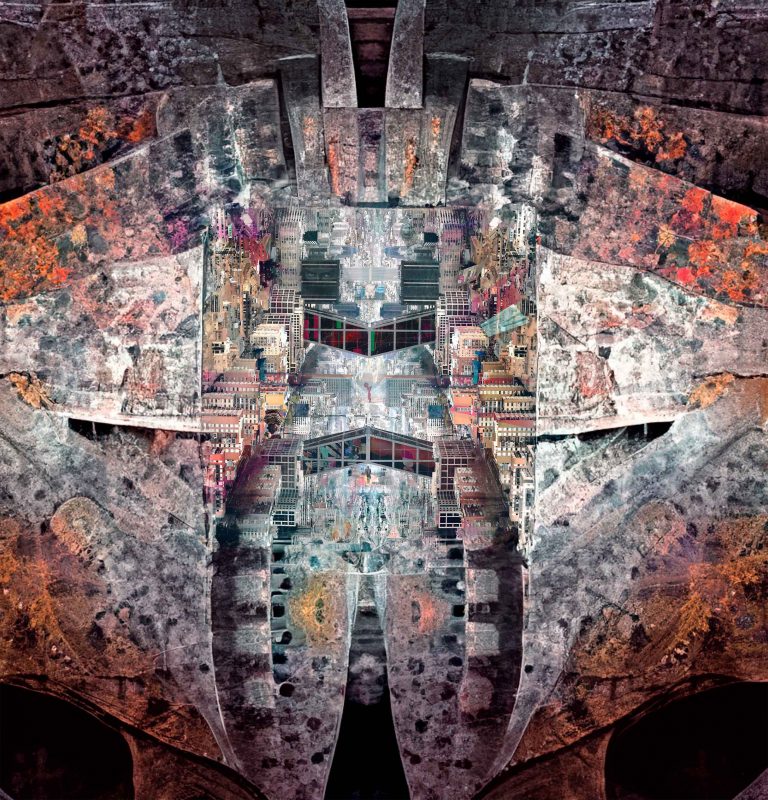
MORE THAN REAL
Displacements of reality beyond the visible
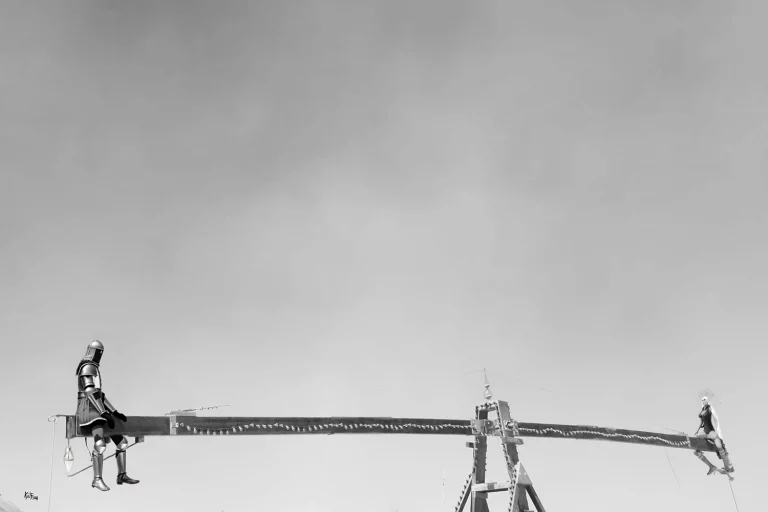
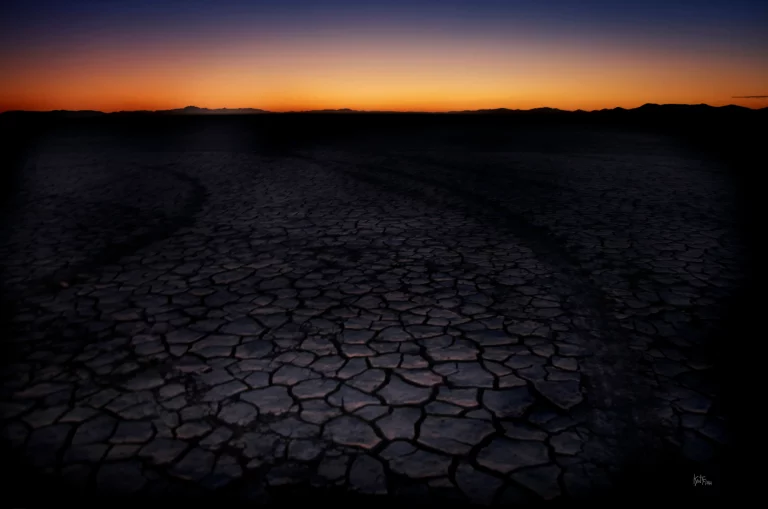
More Than Real shifts the ground beneath perception. What is seen is no longer absolute. This is the nucleus of Kantfish’s practice, a persistent reminder that reality cannot be reduced to the visible. Drawing on Heisenberg’s uncertainty principle, which demonstrates that we can never know all aspects of a particle simultaneously, the series opens windows onto other possible worlds: hybrids of photography and digital creation. Textures, colours and symmetries operate as vectors of introspection, generating tension between the known and the intangible. Each artwork challenges rational perception, invites an exploration of hidden layers and acknowledges that reality is a field of constant displacement. More Than Real offers no certainties. It opens space to imagine, to question, to connect with the invisible that always accompanies the visible.
Previous
Next
POST-HUMANISM
Consciousness emerging between the human and the artificial
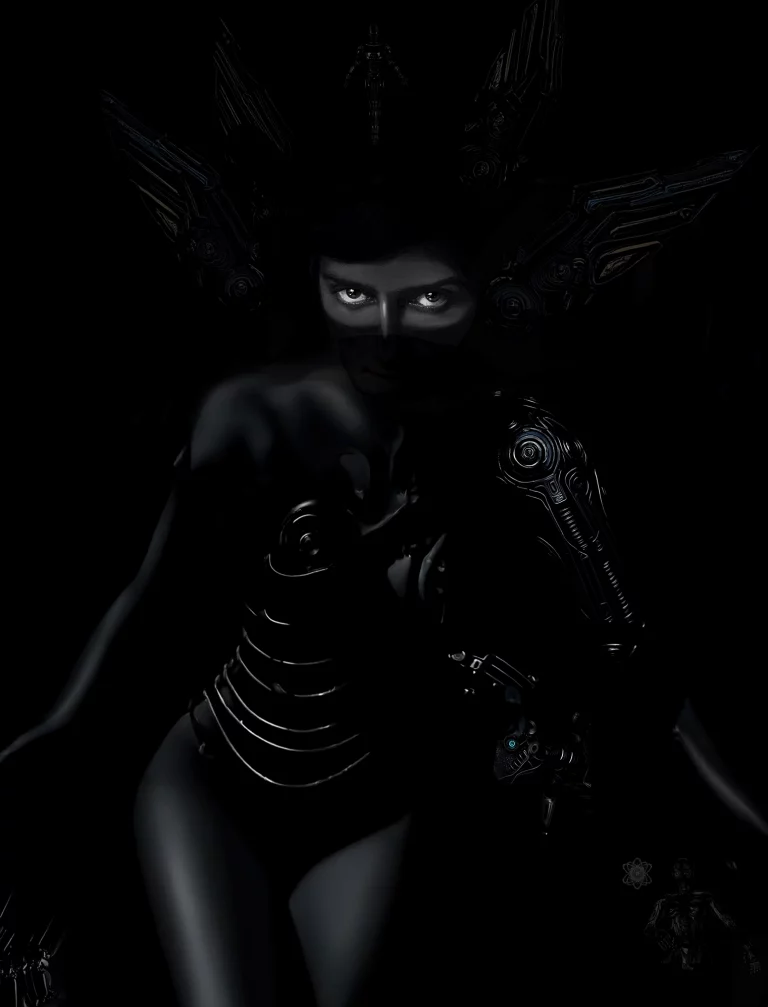
Post-Humanism explores the frontier where consciousness shifts between the human and the artificial. Kantfish investigates genetics, technology, nature and human essence, combining instinct, intuition and lucidity in an approach to truth.
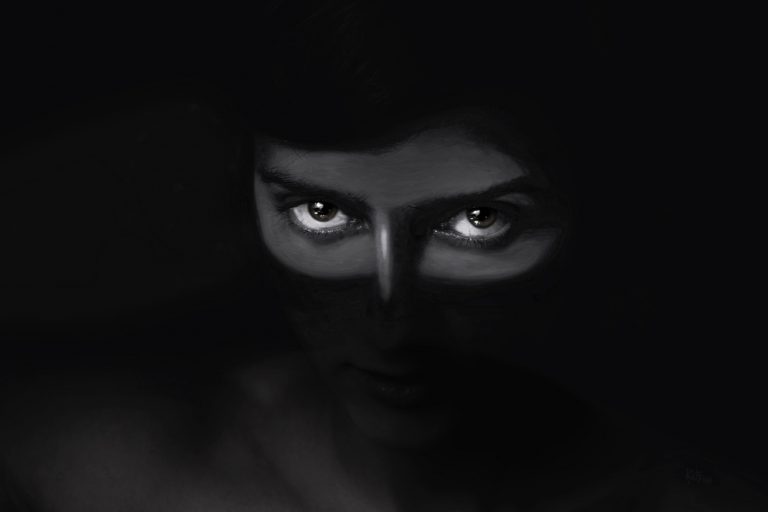
The portraits of Intimate hybridise photography, film noir and comic, generating tension between light and shadow. The gaze emerges from darkness as a nucleus of contained energy, placing the viewer at the threshold between identity and projection, interiority and collective construction. A personal digital technique intensifies this friction, transforming the face into a hybrid territory: neither character nor symbol, but presence.
Each artwork provokes introspection, questions what we believe to be human and displaces perception toward a space where the biological, the technological and the conscious interweave.
The experience compels a recognition that consciousness is never isolated. It is a field of relationships in constant transformation.
Previous
Next
SUCCESS ¡? - 2084
Success as fiction in a system in crisis
Success reflects a present in which technology advances and the human being stalls. Society sinks into competition, self-interest and depression, while the concept of “success” becomes at once crucial, ambiguous and riddled with contradiction.
Kantfish investigates these tensions from a holistic perspective, crossing photography, video, artificial intelligence, literature, film and journalism.
The Success¡? project proposes a laboratory for reflection on the individual and collective future, revealing how human progress is measured not in surface achievements but in the capacity to question what has been established.
Each artwork operates as both mirror and friction. It confronts, provokes and exposes the gap between the illusion of advancement and the reality of contemporary experience, bringing into focus the themes that connect to the broader meaning of human success.
Success compels a looking beyond appearance, a recognition of the failures embedded in society, and a confrontation with the paradox of a human condition that stalls as technology expands.
Previous
Next
FRÓNESIS - Φρόνησις
Practical wisdom in a field of unstable realities
Φρόνησις is situated within the field of More Than Real, where reality ceases to be fixed and becomes a field of simultaneous possibilities. The series recovers practical wisdom as a form of orientation within the uncertain.
The landscapes, real or plausible, shift toward a eutopian state where the visible coexists with the improbable. These are not escapism. They are evidence that an unexplored reality always exists, one in which it is possible to reconfigure one’s own life.
Each scene proposes an equilibrium between intuition and decision, between freedom and limit. Figures and environments emerge as fragments of a hidden nature, evoking a constant need for harmony and transformation.
Φρόνησις does not idealise. It demands. It compels a moving forward with prudence through unstable territory, where each choice constructs an ethics. This is not a dream. It is lucidity within the unreal.
Previous
Next
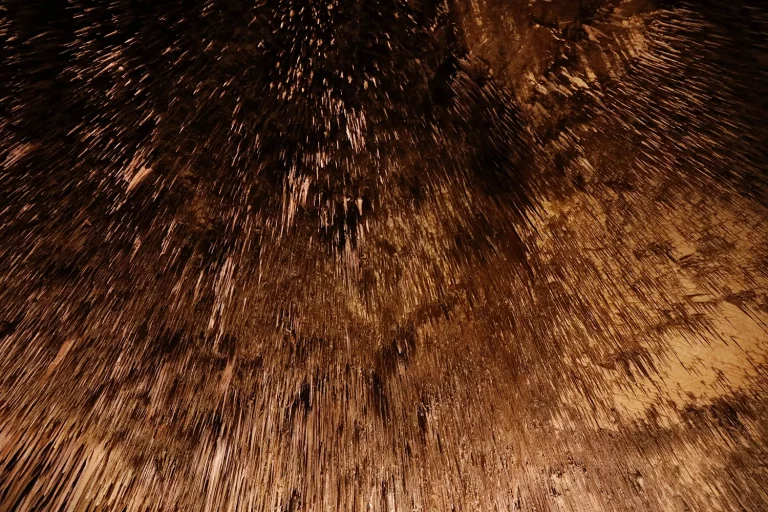
I AM THE VOLCANO - FOGO
Form and contained force of the essential
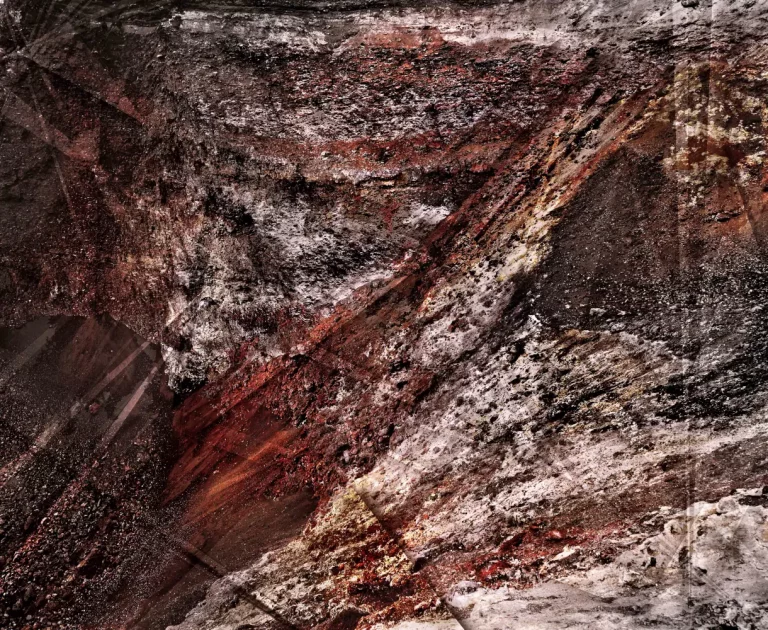
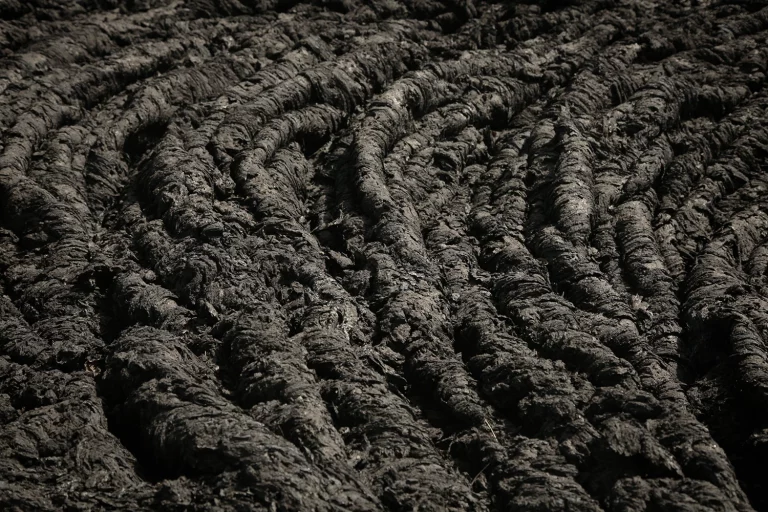
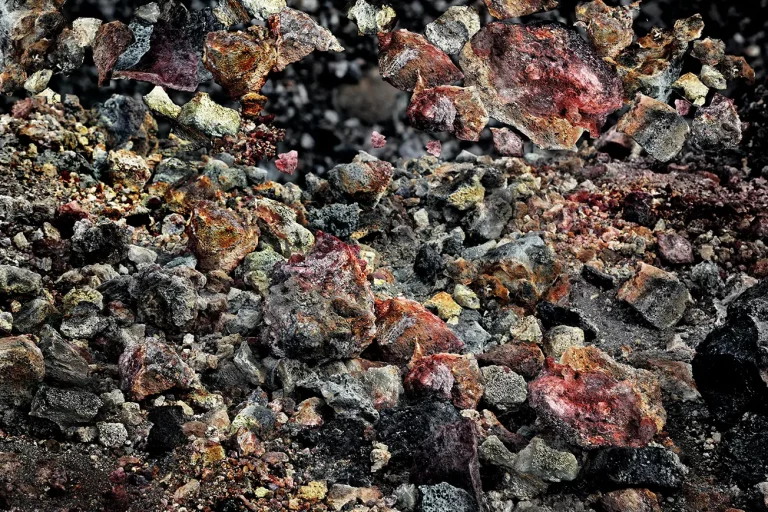
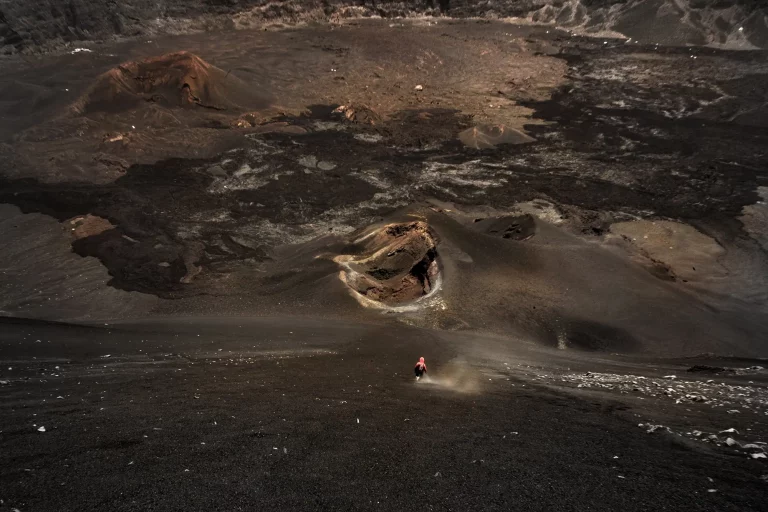
Soy El Volcán is born from an act of identification with nature as direct access to one’s own essence. Fogo introduces fire as one of the elements that construct the Kantfish universe, alongside water, air and earth. Not as symbol, but as structure. The series departs from the artist’s direct experience on the island of Fogo, where contact with the volcanic landscape reveals a shared logic between the human interior and the womb of the earth.
Fogo presents itself as a suspended instant in which the force of life does not explode. It concentrates. The series explores that point of tension where everything is on the verge of happening. These landscapes are not contemplated. They are inhabited.
They are spaces where colour and matter generate a three-dimensional experience that displaces perception toward the territory of More Than Real. Each artwork operates as an intimate reflection, compelling a confrontation with the essential. There is no external narrative. Only form, energy and presence. Force is not displayed. It is contained. And within that containment, the fundamental appears.
Previous
Next
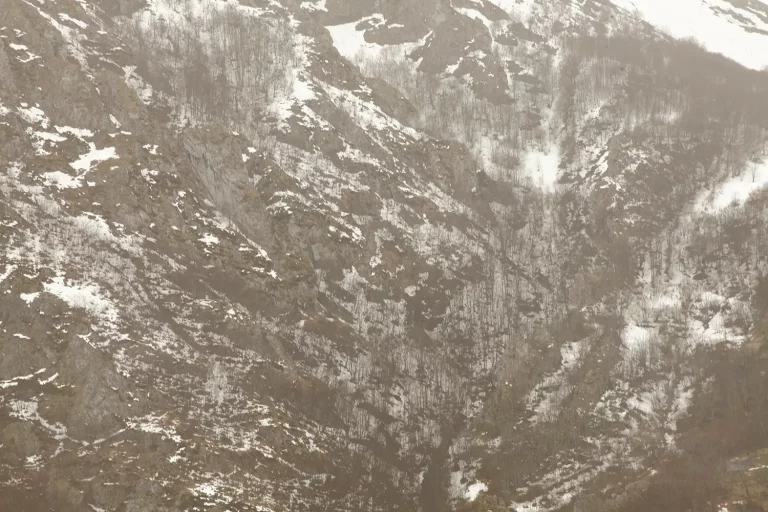
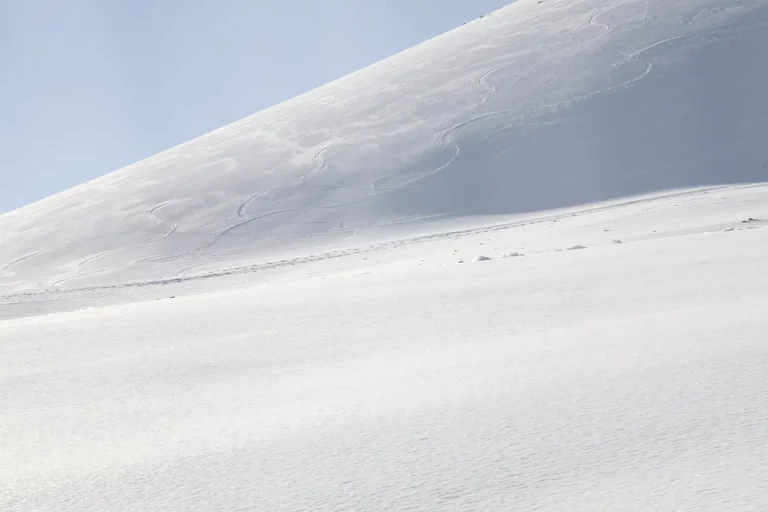
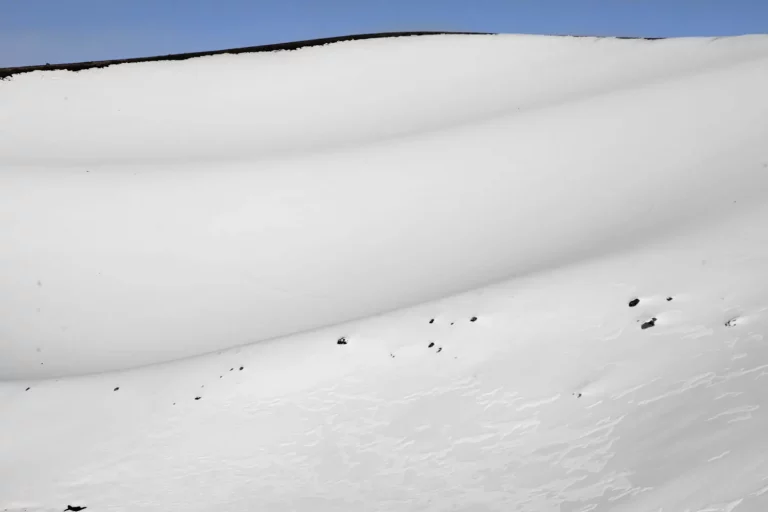
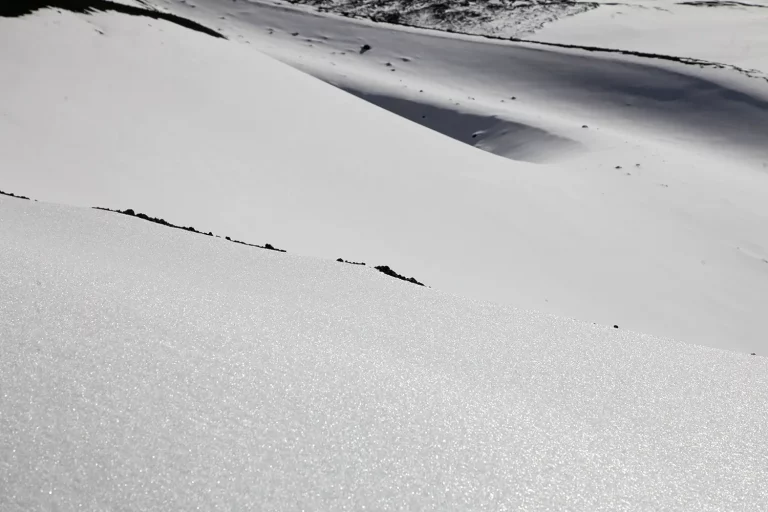
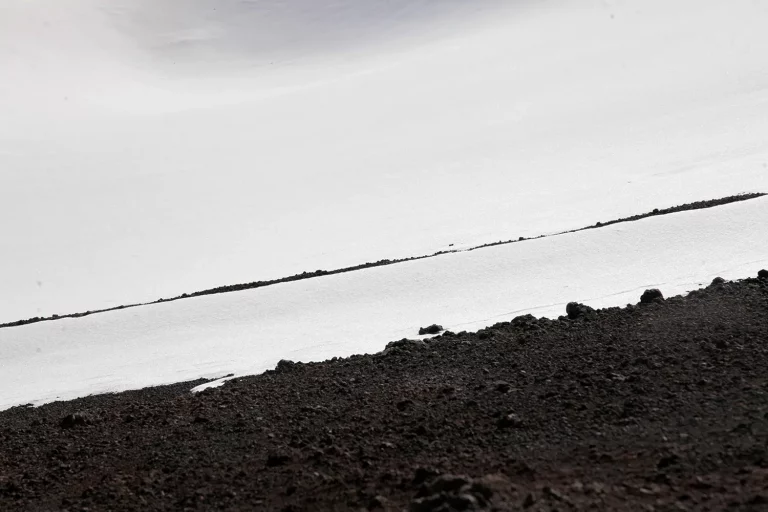
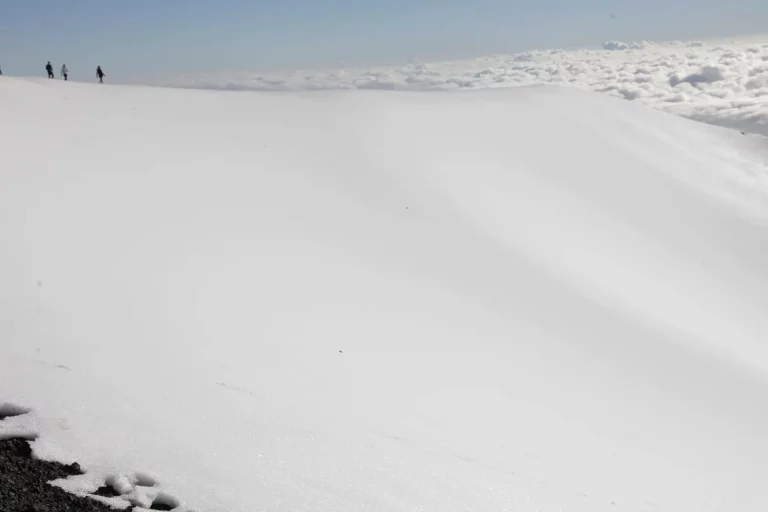
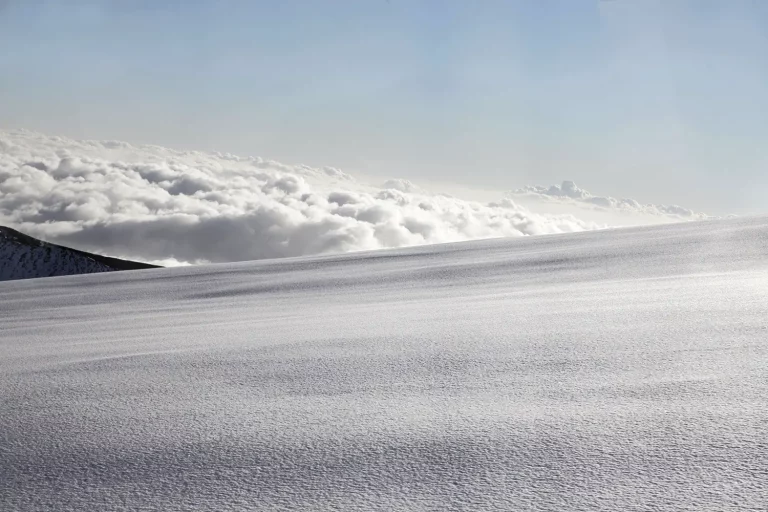
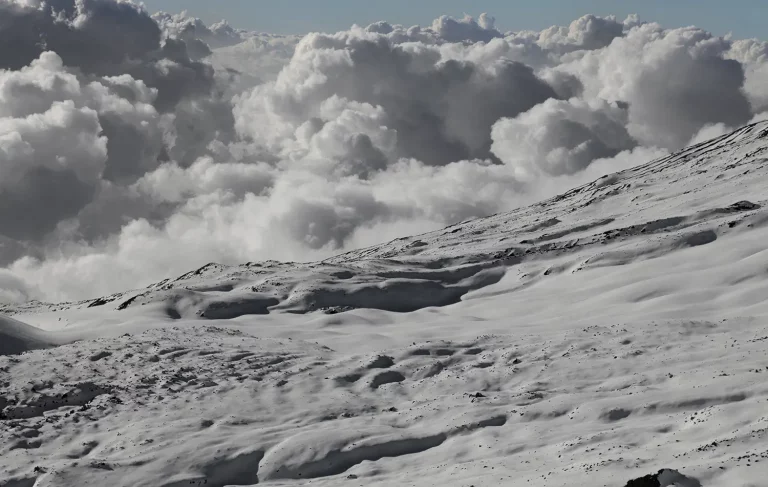
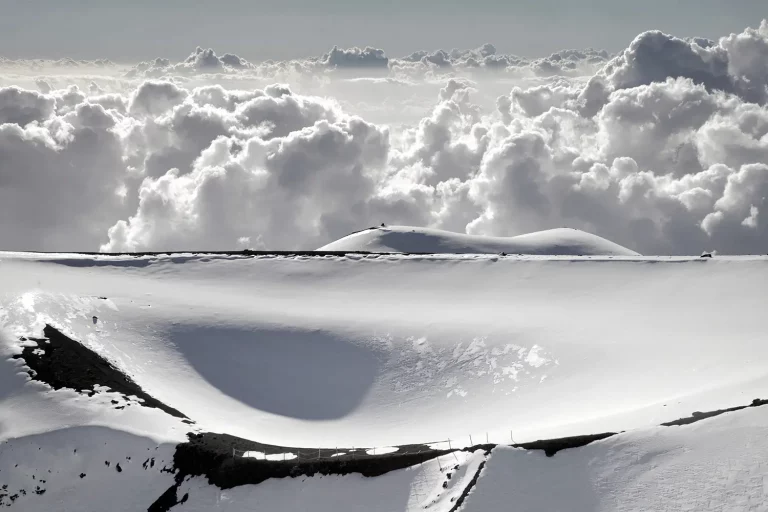
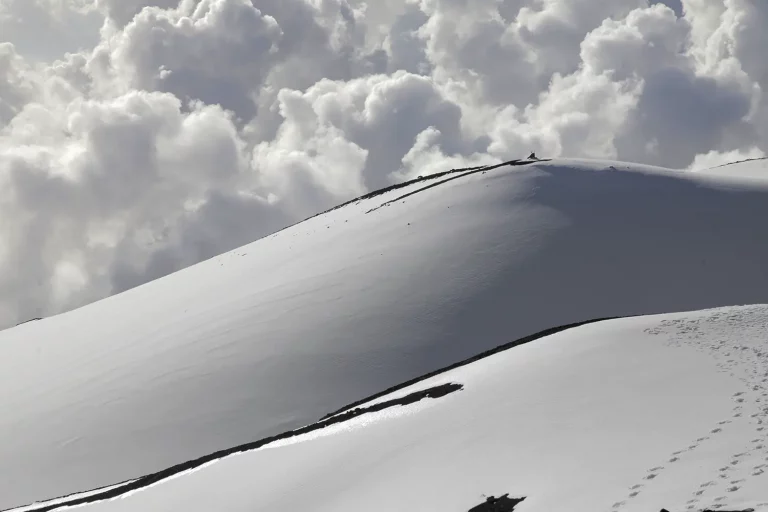
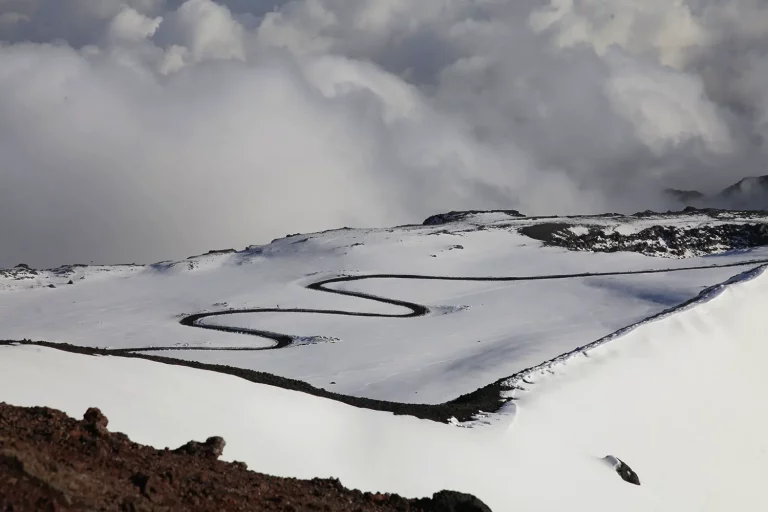
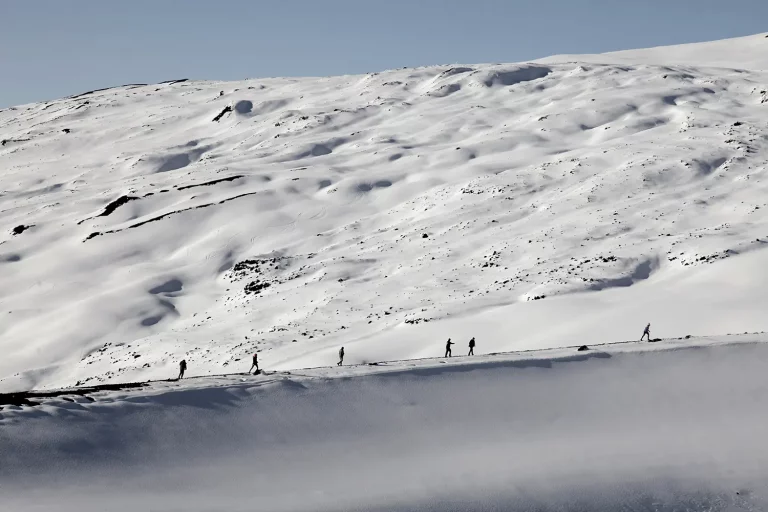
IDDA - ETNA
Structure, void and light in perceptual equilibrium
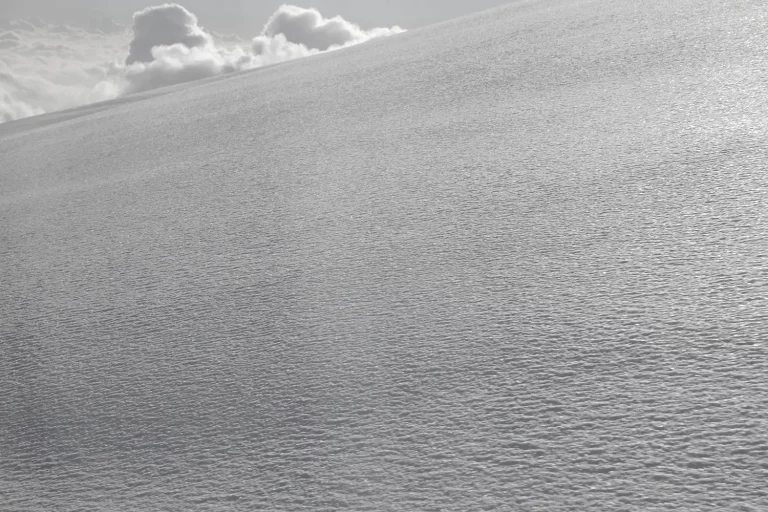
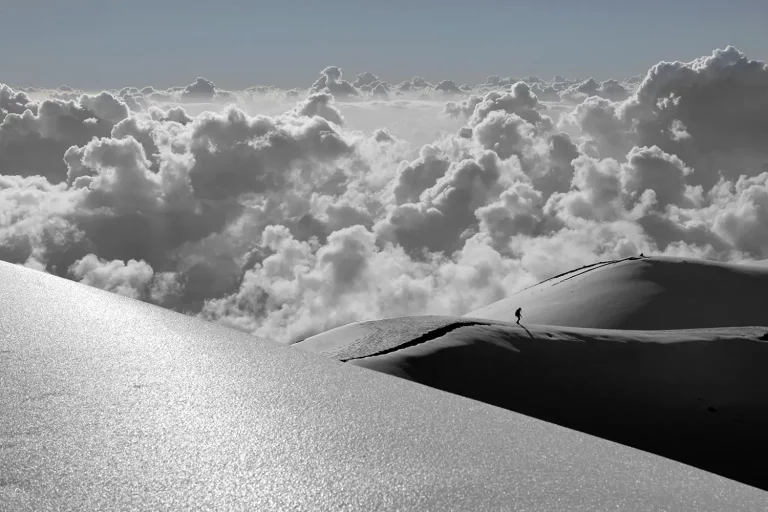
IDDA is constructed from Mount Etna, not as landscape, but as system. Space, form, line and colour organise themselves into relationships that reveal essential structure. There is no description here. There is reduction.
The volcano is not external. It is the artist’s place of origin, a territory that is not observed but internalised. Idda, as it is named in Catania, is not a mountain. It is a presence that articulates time, memory and scale.
The images displace the visible toward a territory where the ethereal and the dense coexist. Clouds, snow and light generate compositions that are unstable yet precise, where equilibrium emerges from tension.
The artworks do not seek to represent. They seek to isolate. To extract from complexity what normally dissolves in perception. To reduce is not to simplify. It is to concentrate.
By eliminating noise, a unity emerges in which the volcano ceases to be spectacle and becomes experience. An equilibrium between form, void and light within More Than Real.
Previous
Next
GIRASOLI: NATURA VIVA
Nature as a field of living experimentation
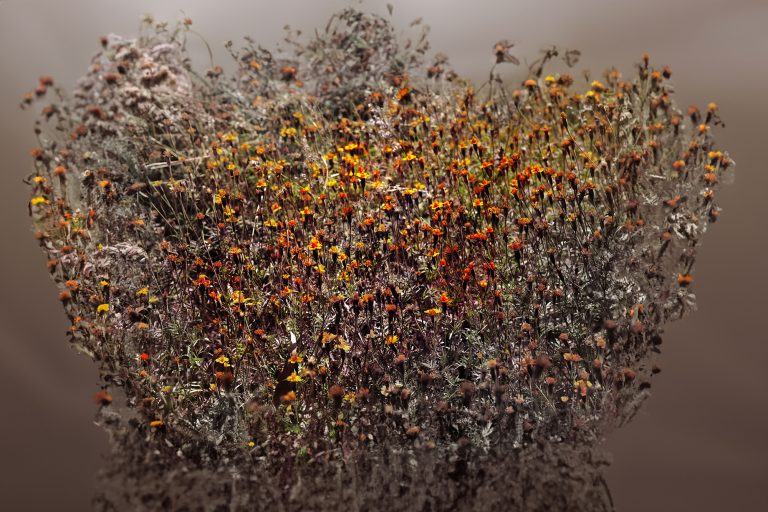
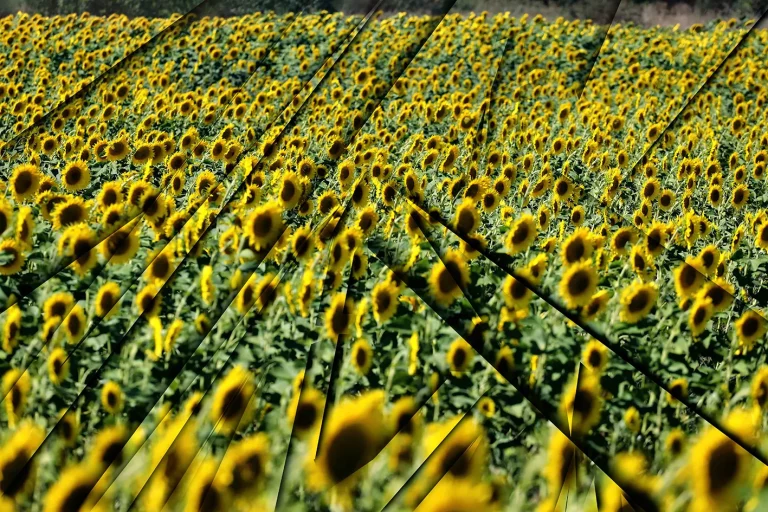
Girasoli Natura Viva is born from a direct encounter with a field of sunflowers in northern Portugal. The artwork emerges from an experience in which the gaze shifts and ceases to impose structure.
Thousands of eyes appear as a perceptual field. The reference to Margaret Keane is recognised, but inverted. Where her figures held an intimate tension, here the gaze expands. It observes from an open, vital, affirmative energy. Nature is not being watched. It returns the gaze.
The composition breaks the plane, approaching a logic that recalls Lucio Fontana. Not as formal gesture, but as access. The fracture does not destroy. It opens depth. Three-dimensionality is not effect. It is experience.
Layers, light and repetition construct an unstable space where the landscape ceases to be image and becomes system.
In this territory of More Than Real, perception does not describe. It activates.
Previous
Next
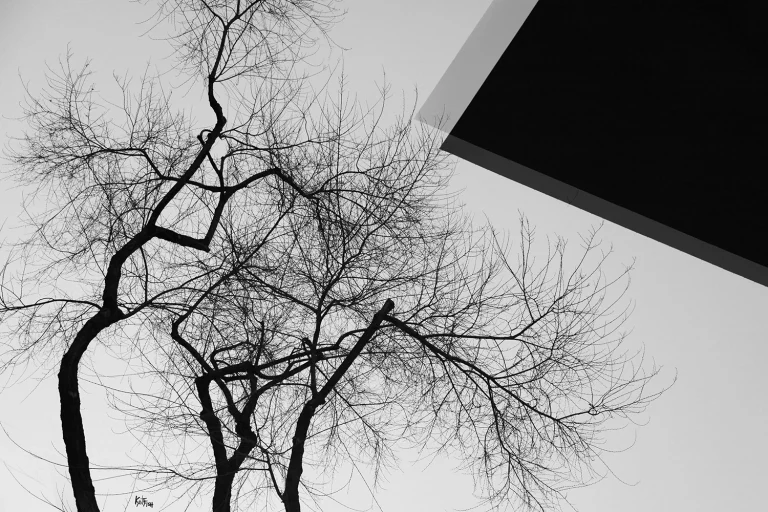
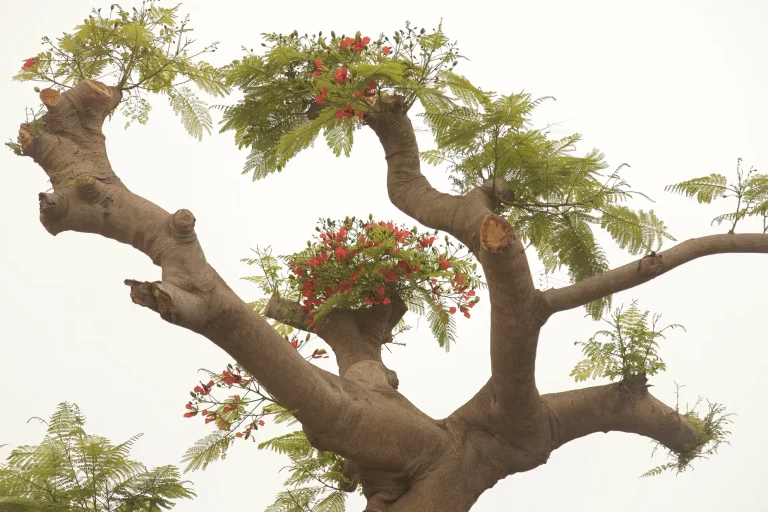
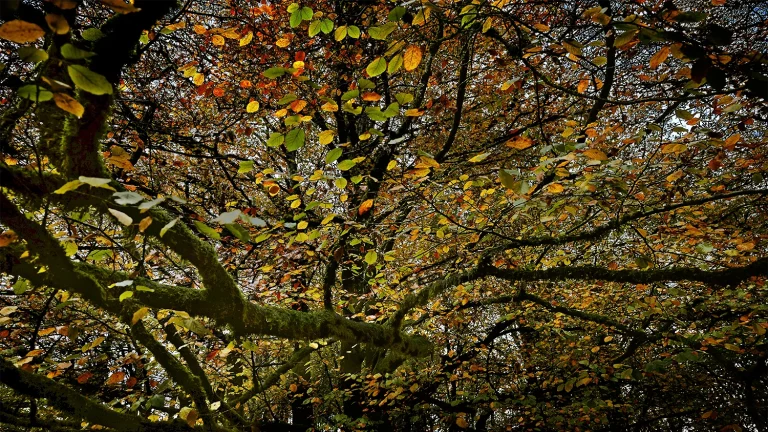
I AM THE TREES
Totemism and the fractal structures of seeing
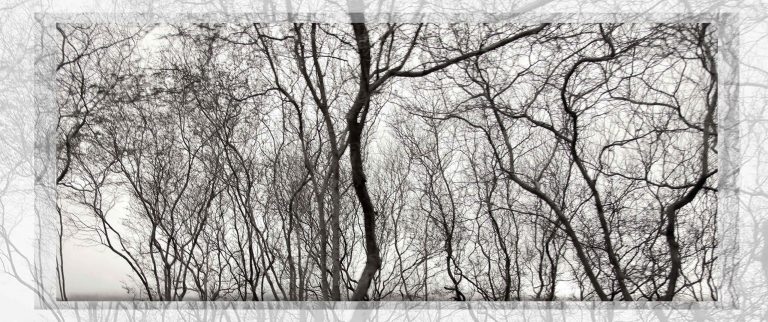
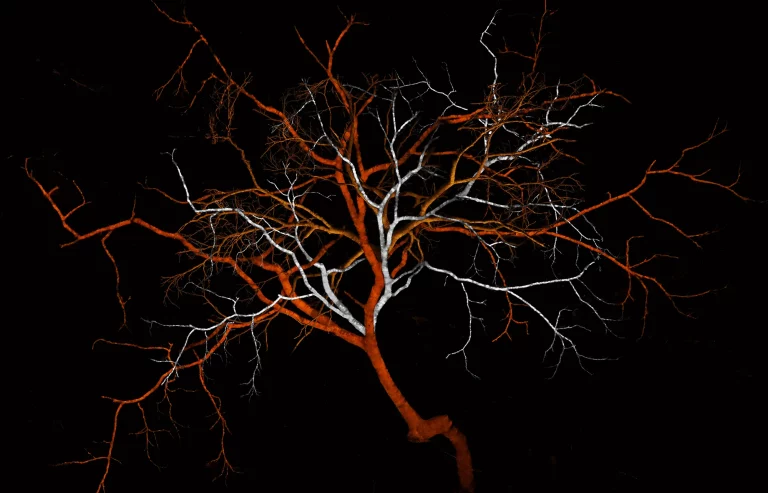
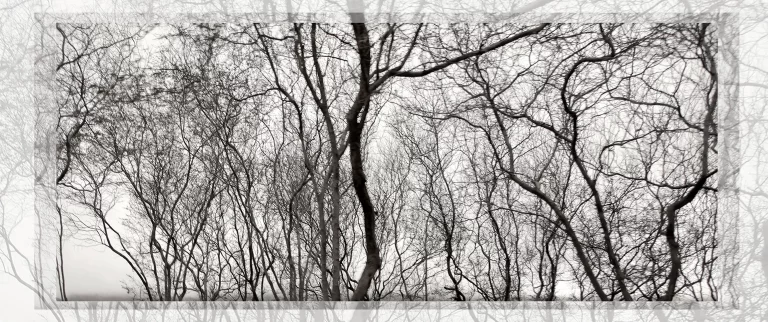
Soy Los Árboles is born from an act of identification with nature as a form of knowledge. The tree appears here as totem: not symbol, but structure. A system of intelligence, reference and equilibrium.
Fractal forms organise the gaze. Branches, lines and bifurcations build systems in which every direction carries meaning, even when it cannot be controlled. Complexity is not explained. It is inhabited.
These landscapes present themselves as territories where nature is not backdrop. It is order. An unstable equilibrium in which the irregular does not break harmony. It defines it.
Each image displaces perception toward a direct experience. There is no passive contemplation. There is immersion into a logic where the human recognises itself as part of something larger, governed by cycles that require no interpretation.
The tree does not represent. It reveals. It is a point of orientation within a reality that does not settle, that only expands. Within that structure, a form of clarity emerges, not rational, but precise.
Previous
Next
I AM THE WIND
Movement as invisible form
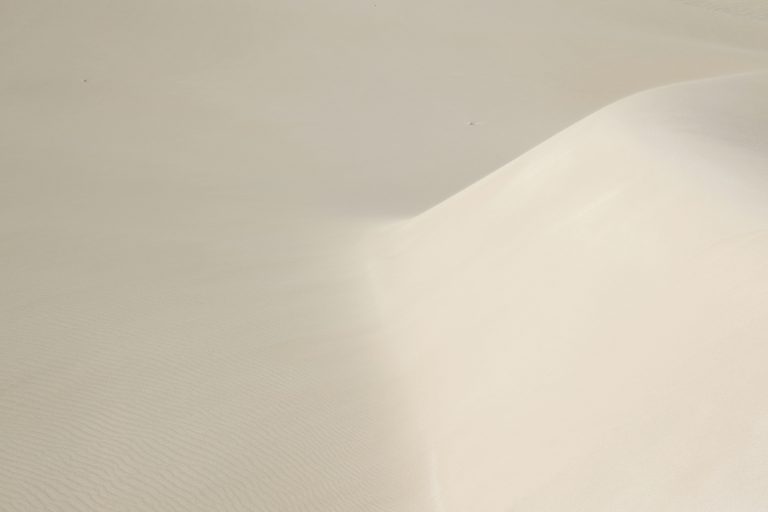
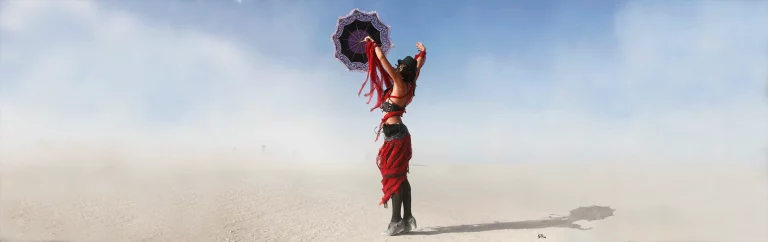
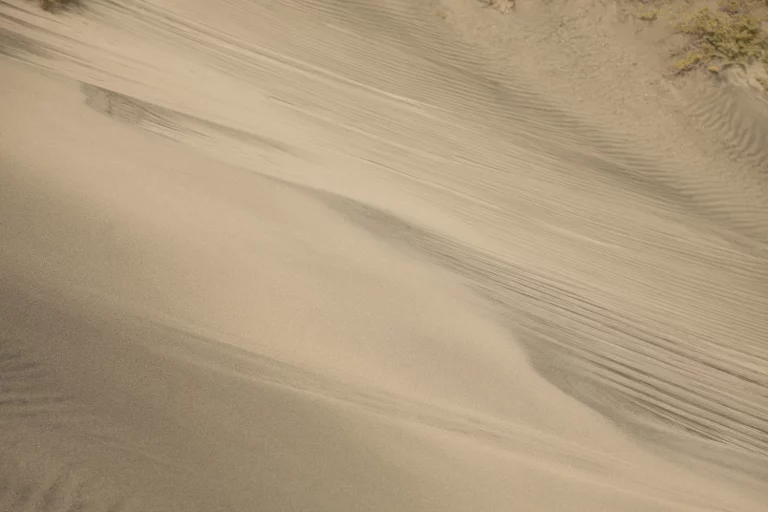
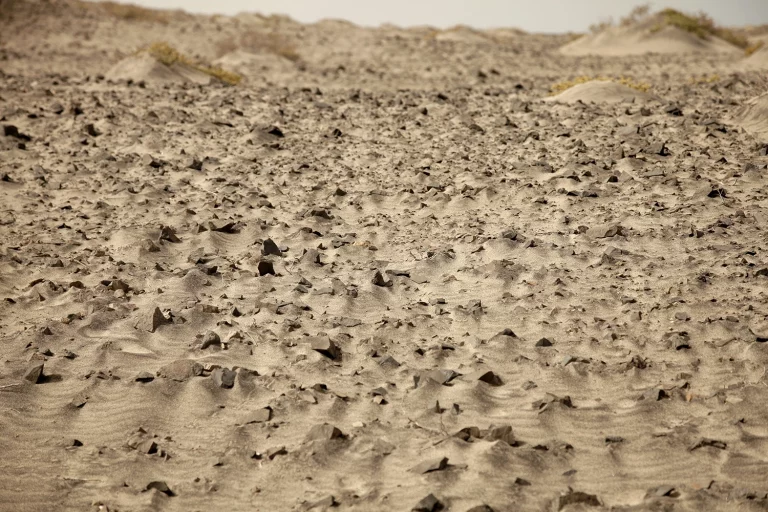
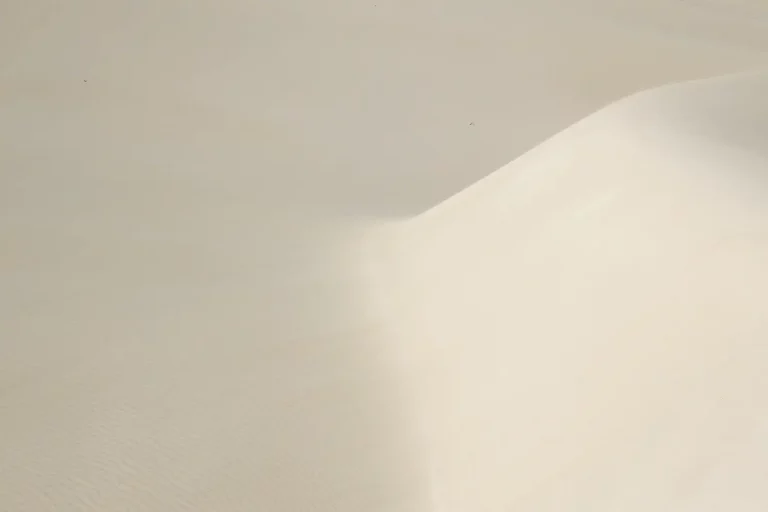
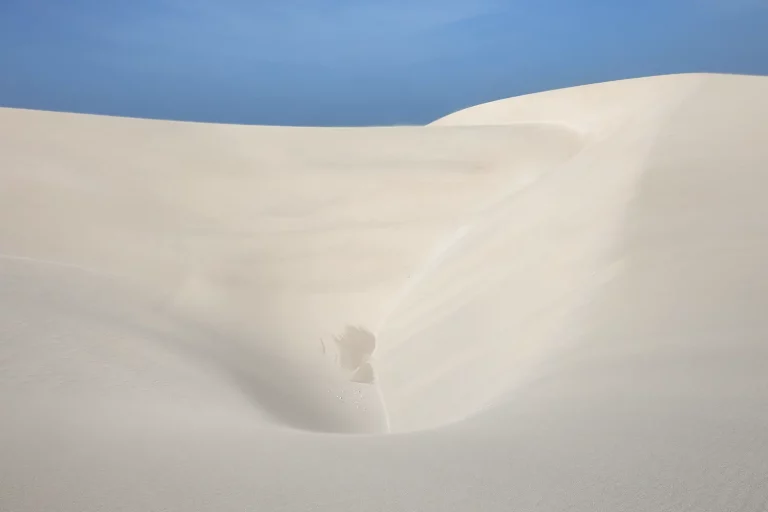
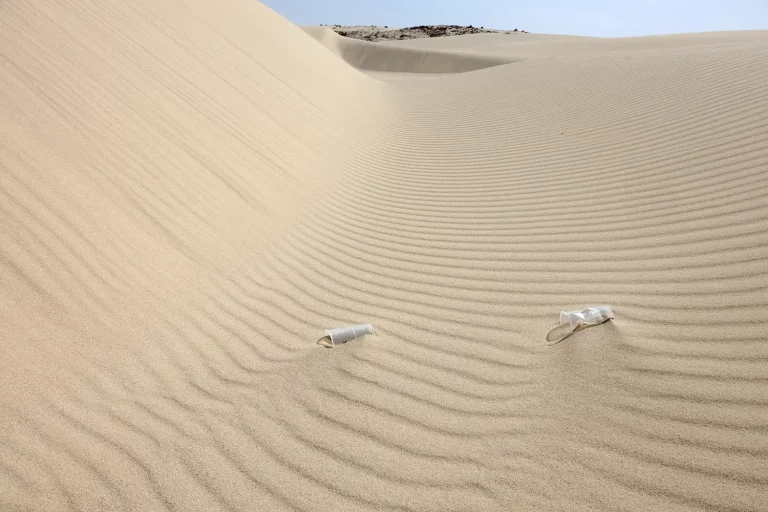
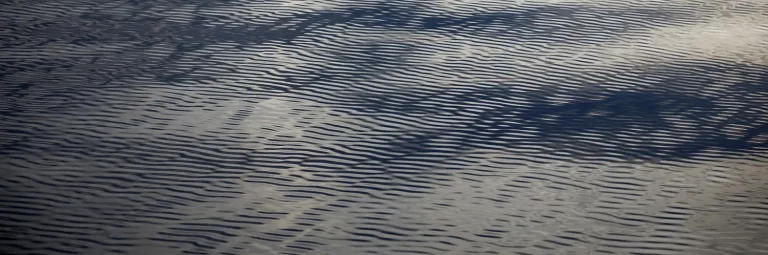
Wind is invisible, but it builds. It shapes matter, organises space and defines the rhythm of the natural.
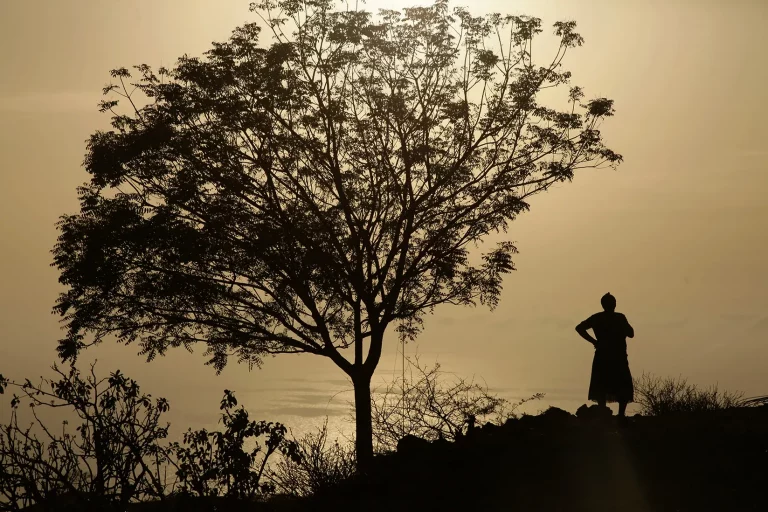
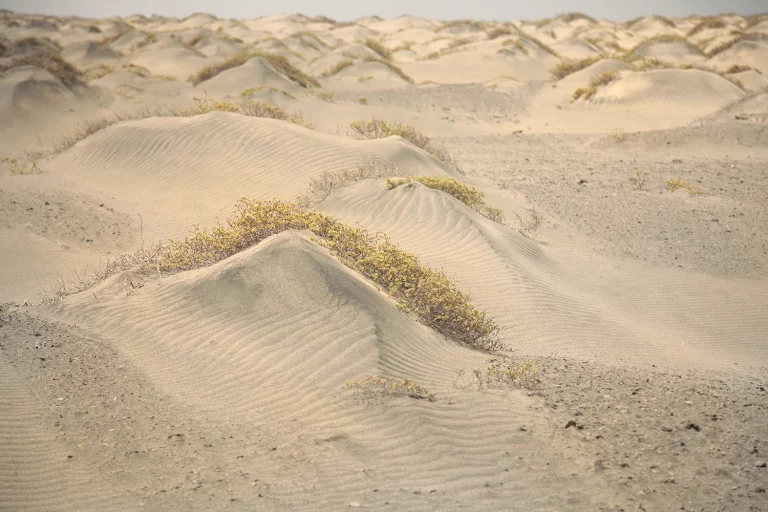
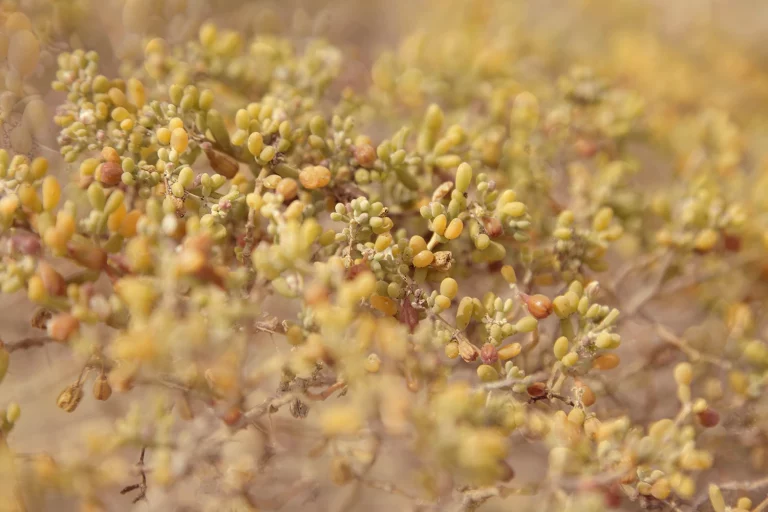
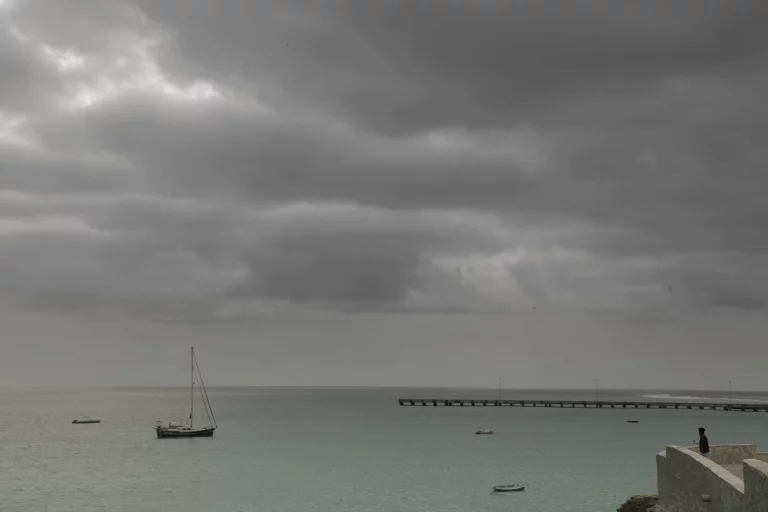
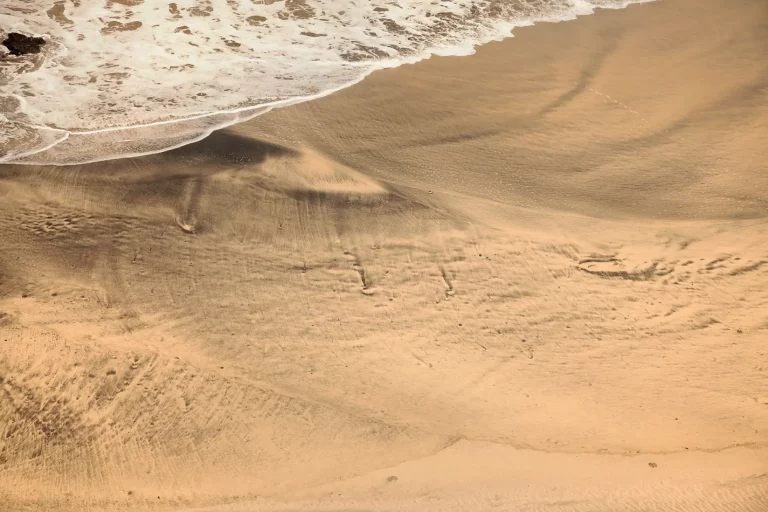
The series develops from direct experience on the islands of Maio and Boa Vista, in Cape Verde, where wind is not phenomenon but structure. The dunes cease to be surface and become system. What appears minimal contains infinite complexity.
The waves repeat, transform, extend beyond the visible. Each detail responds to a precise logic, though not a controllable one.
The image does not represent the wind. It reveals its effect. An invisible architecture where purity does not simplify. It concentrates.
Observation demands pause. Only from there does the magnitude of natural rhythm emerge.
Previous
Next
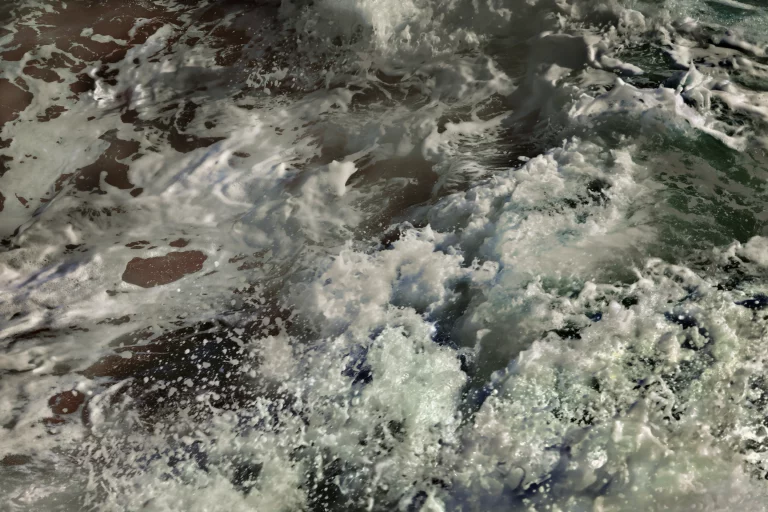
I AM THE SEA
Layers of perception in constant transformation
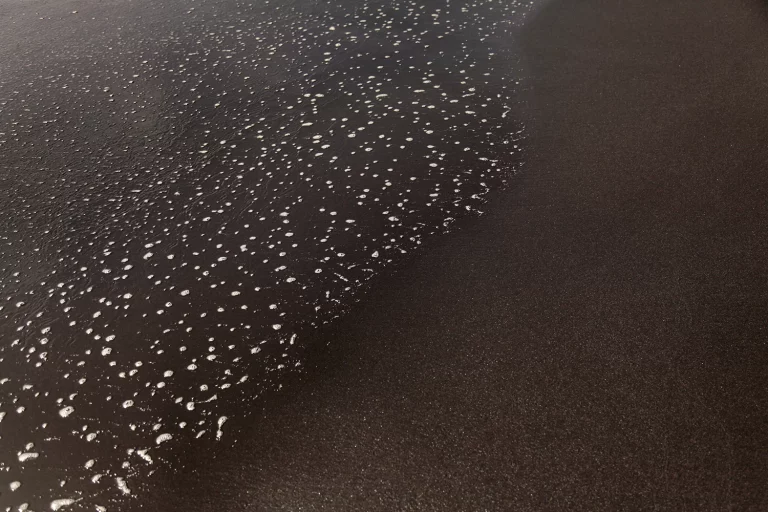
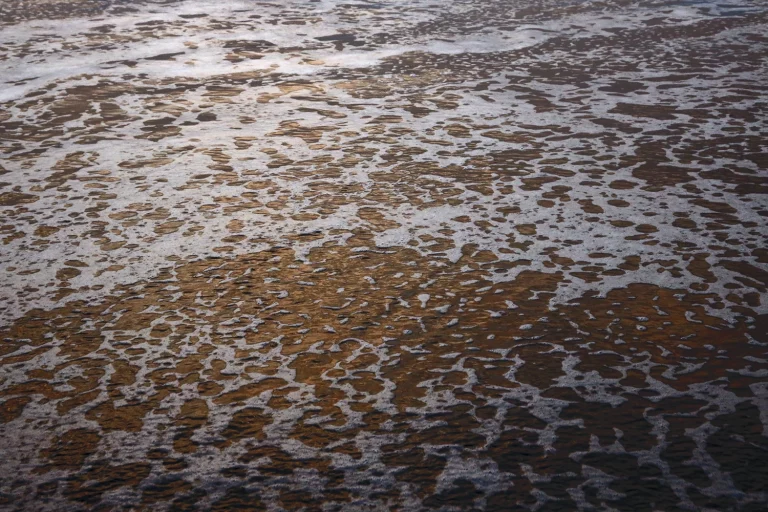
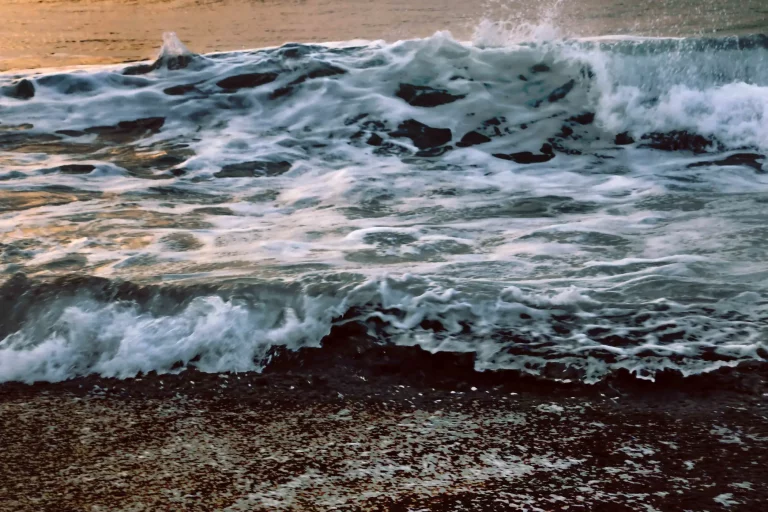
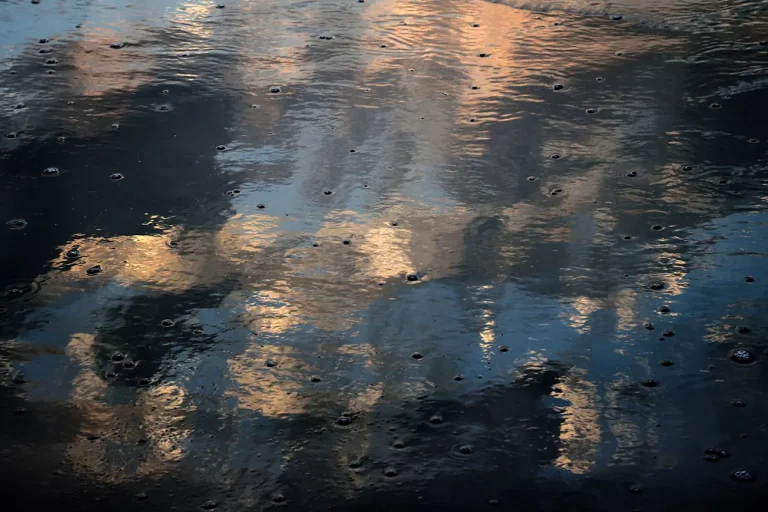
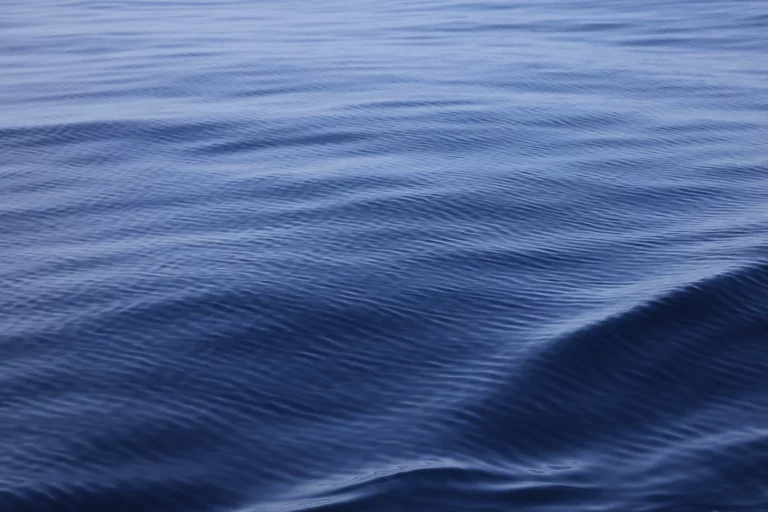
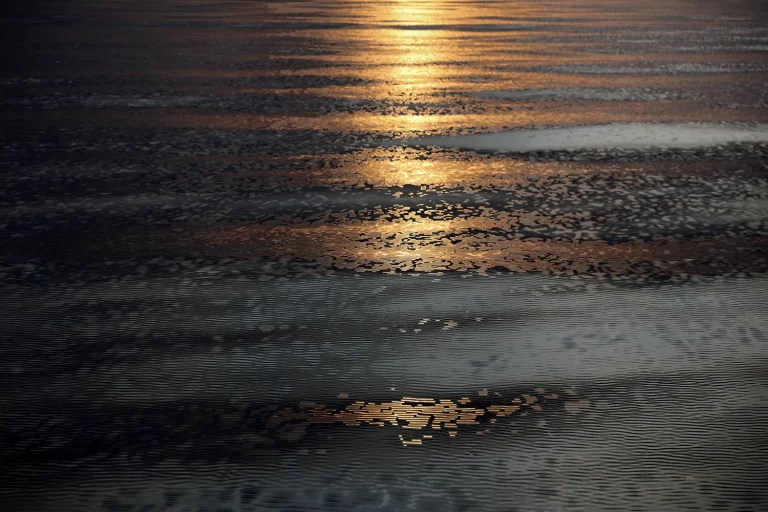
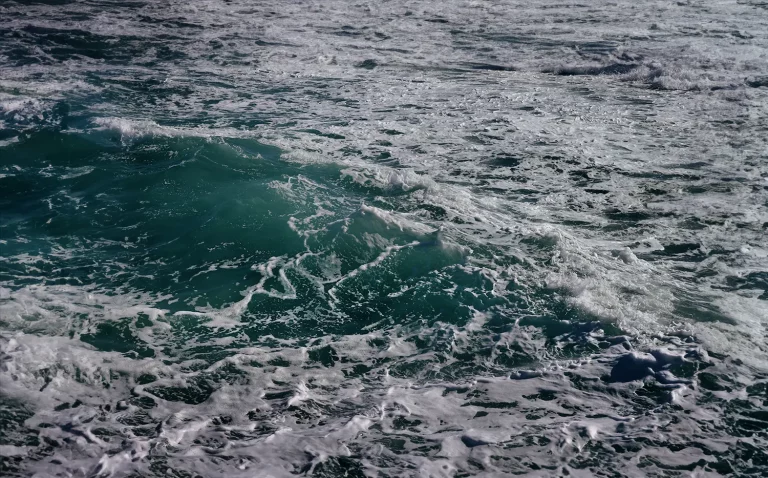
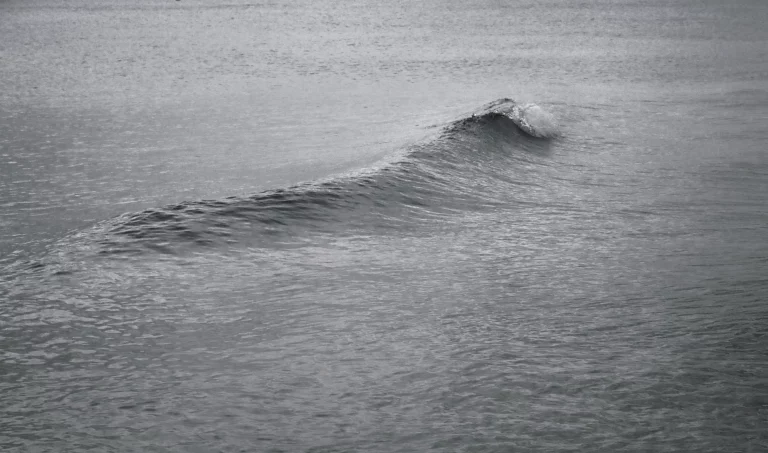
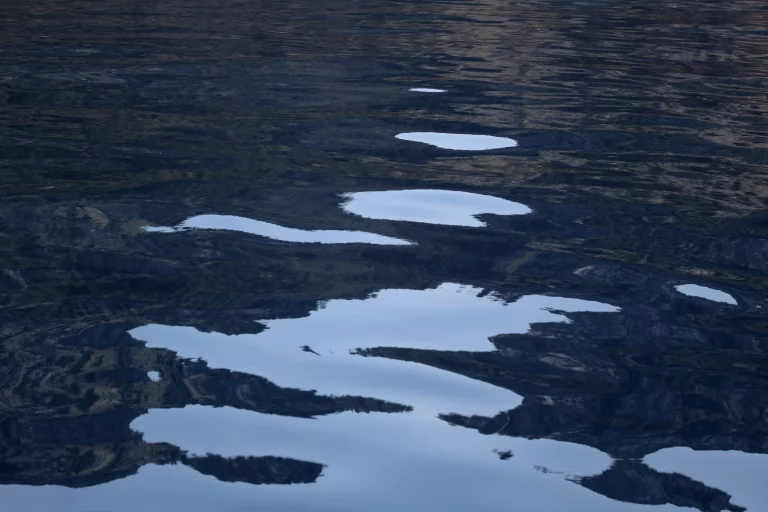
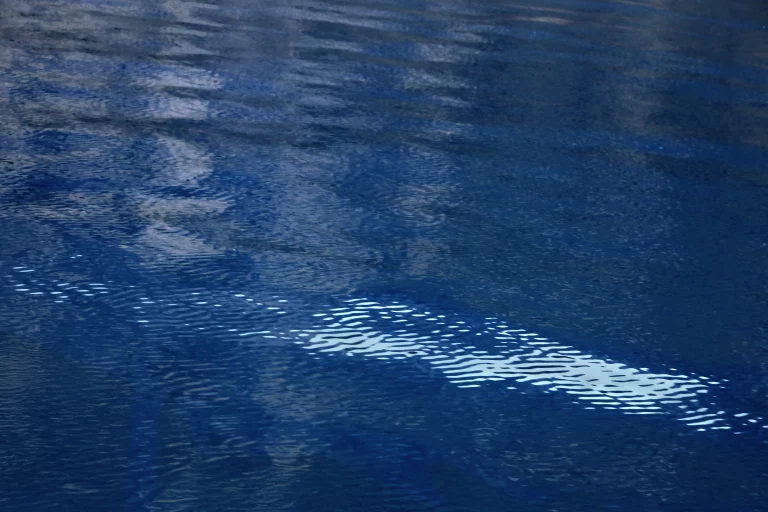
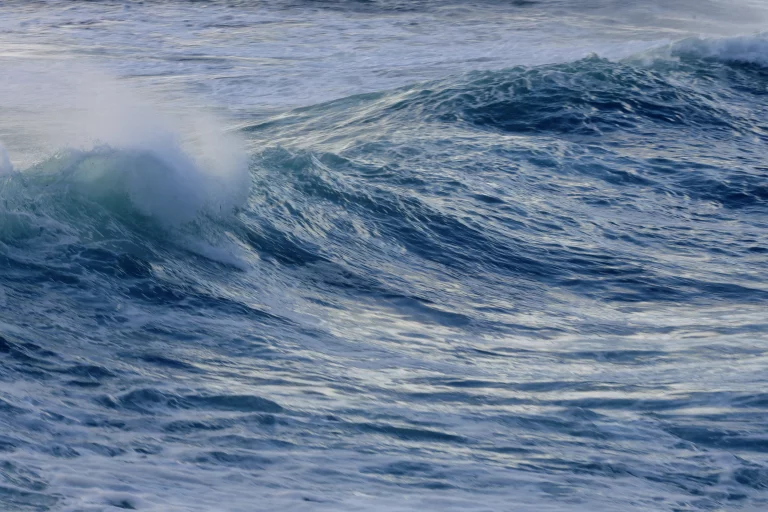
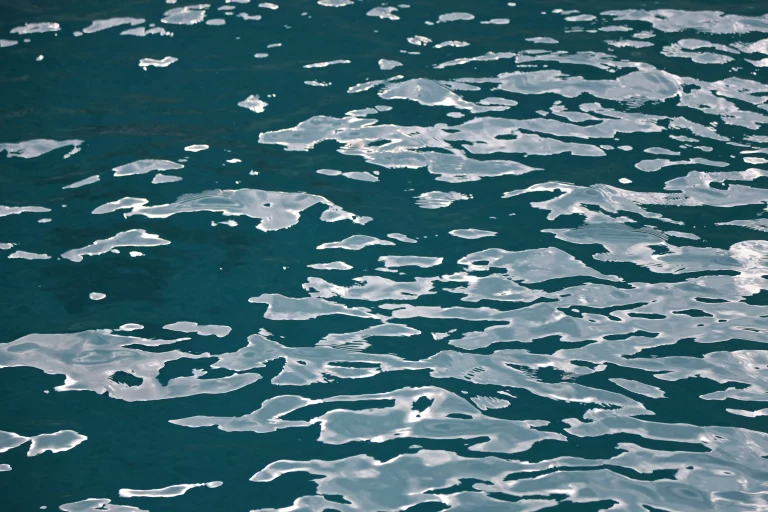
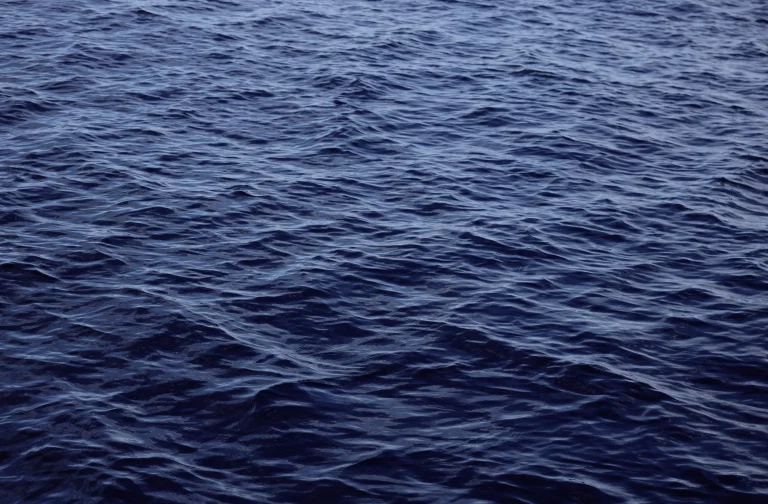
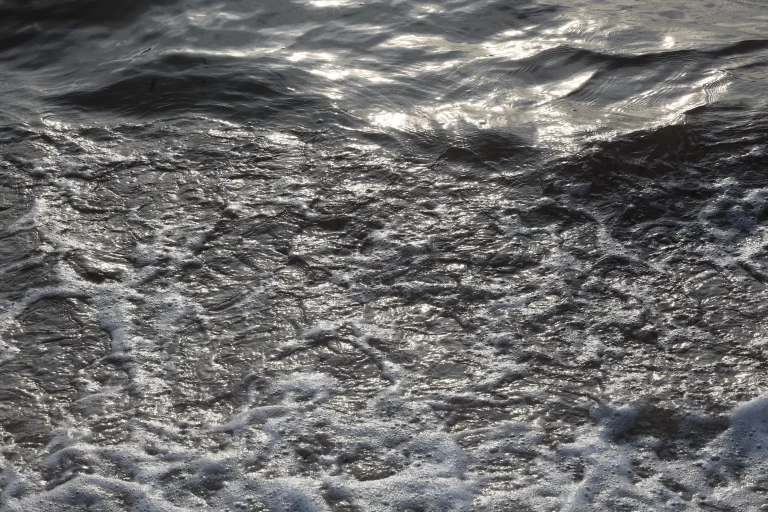
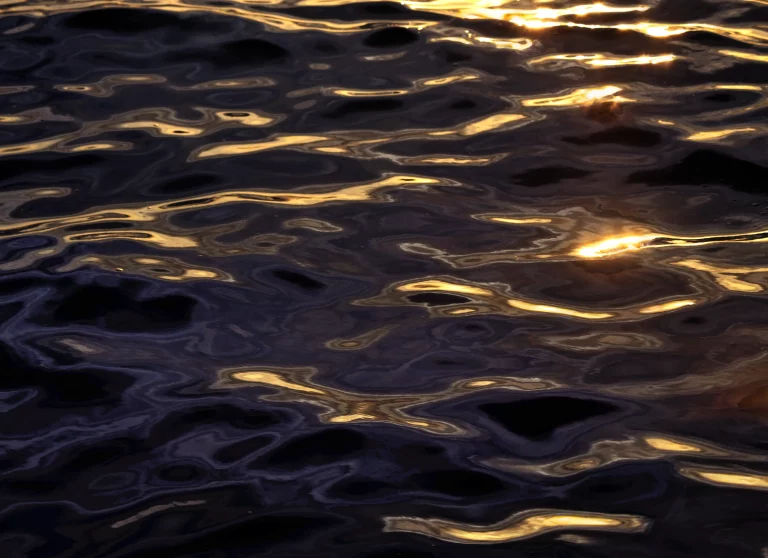
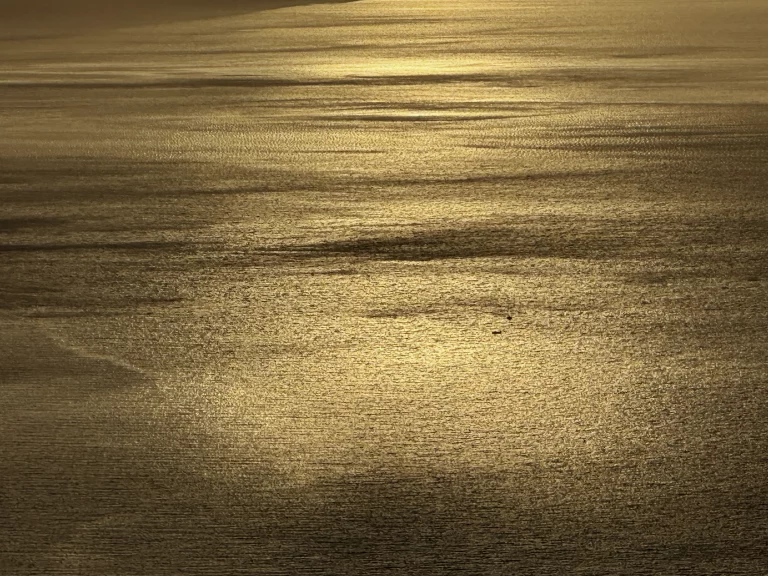
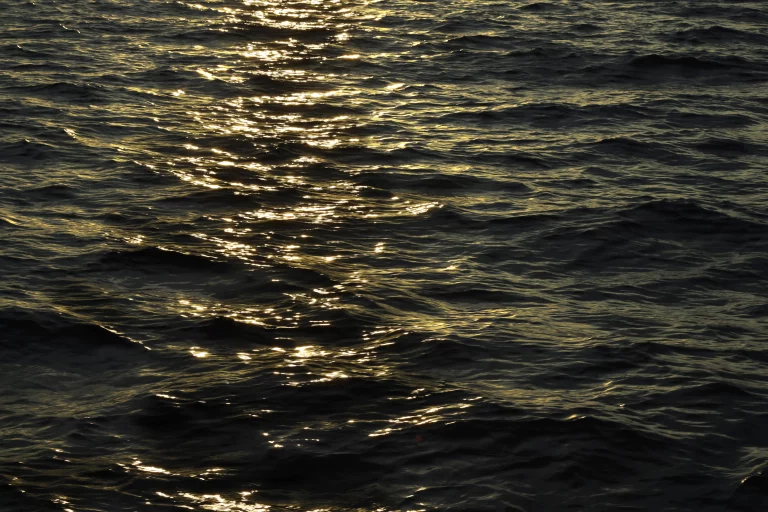
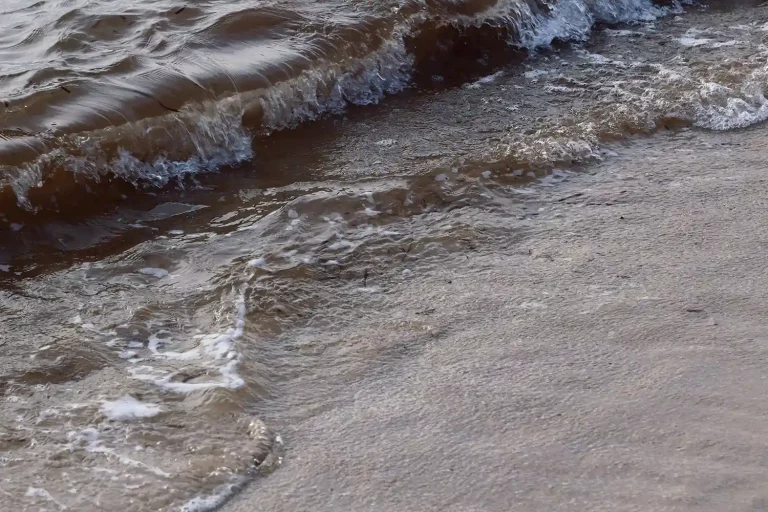
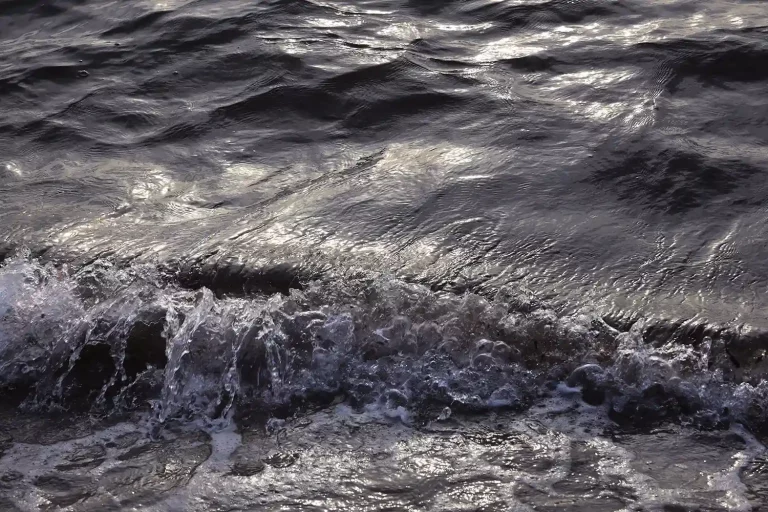
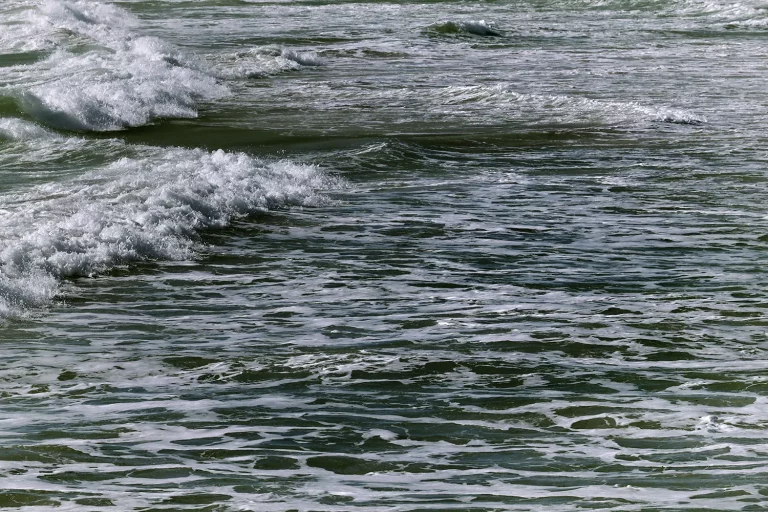
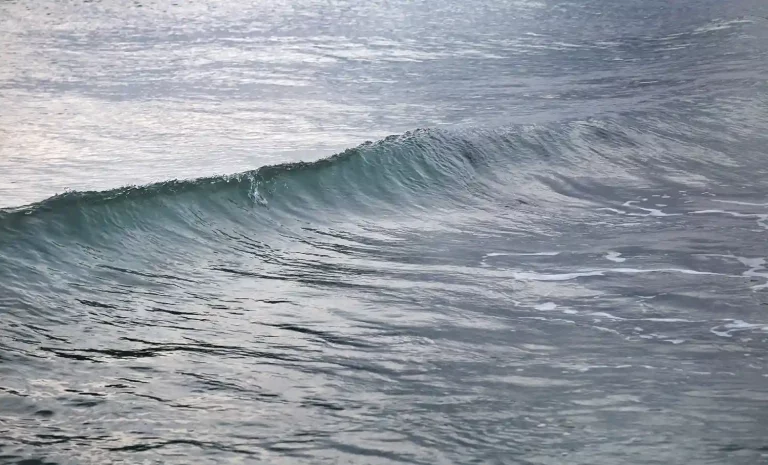
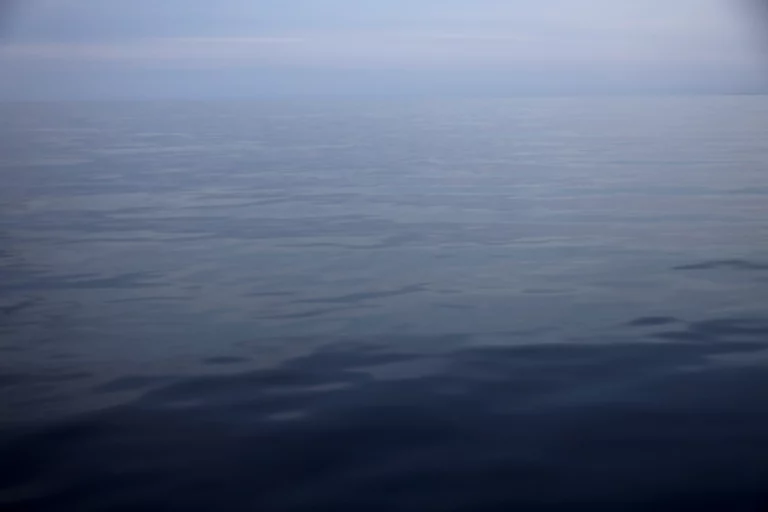
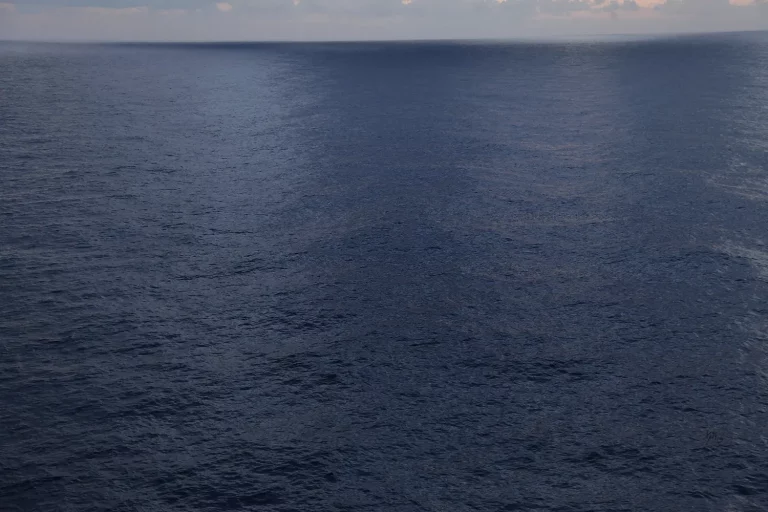
The sea is not landscape. It is a system. A field in which colour, rhythm and form construct an experience that transcends the visible.
The series proposes a direct identification with nature. Not through contemplation, but through recognition. What occurs in the sea occurs also within the human interior.
The artworks do not seek to represent. They seek to activate a relationship. The equilibrium that emerges is not aesthetic, it is structural. A correspondence between the external and the internal, where perception becomes experience.
In the territory of More Than Real, the sea ceases to be image and transforms into a space where essence manifests without the need for interpretation.
Previous
Next
Deep Gaze Into the Essence
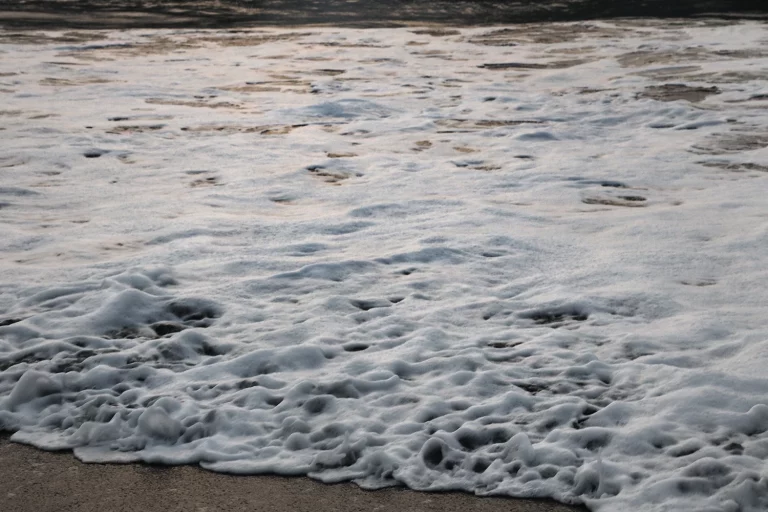
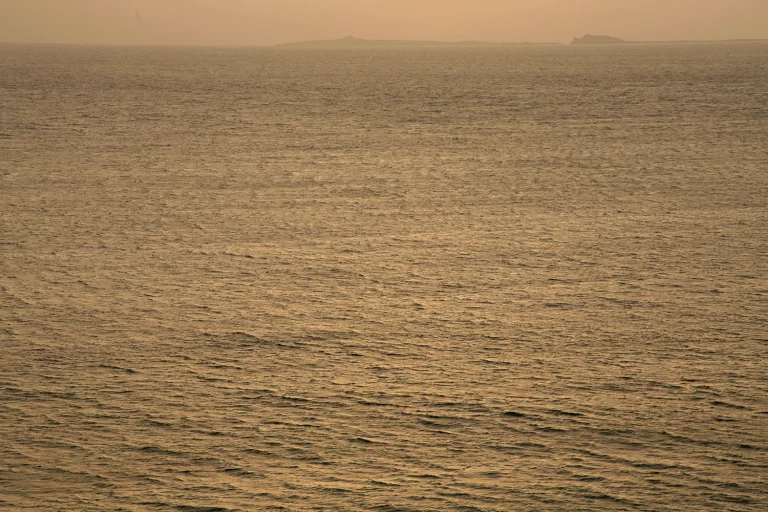
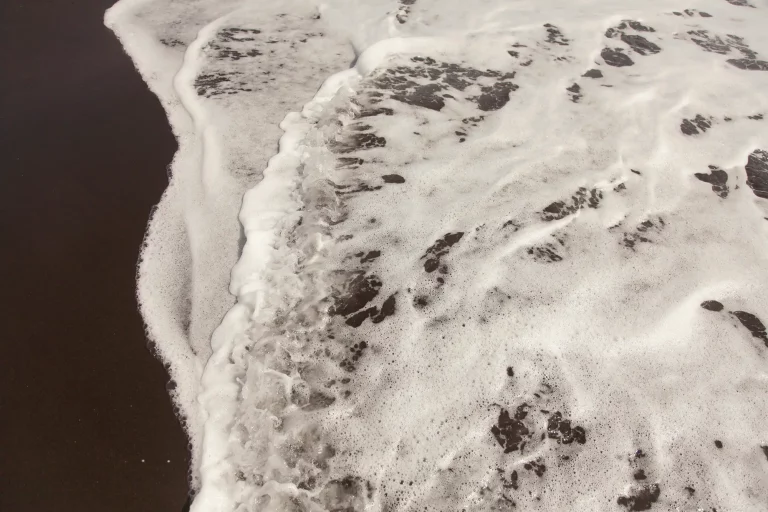
To define the sea with a chemical formula misses the point entirely. The sea can be analysed, but analysis cannot account for what happens when you stand before it and look.
Born in the sea, the artist returns to it not as memory but as a structure of perception. The sea is not explained. It is recognised. It is wise, unpredictable, impossible to fix.
Each artwork operates as a threshold, unfolding layers, currents and tensions that elude rational grasp. These are not representations of waves or landscape. They construct a direct experience in which light, colour and movement unfold as an expanding logic that precedes language and resists conclusion.
The series evolves as an open process. Each image reaches deeper into the liquid and the intangible, displacing the gaze toward a territory where perception ceases to be surface and becomes immersion.
Previous
Next
I AM COLOURS
Visualization of the Metaphor in a Melody of Colours
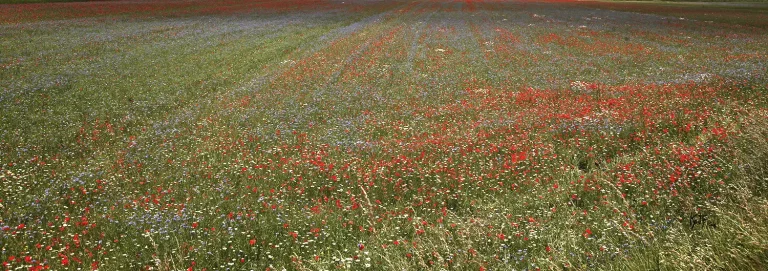
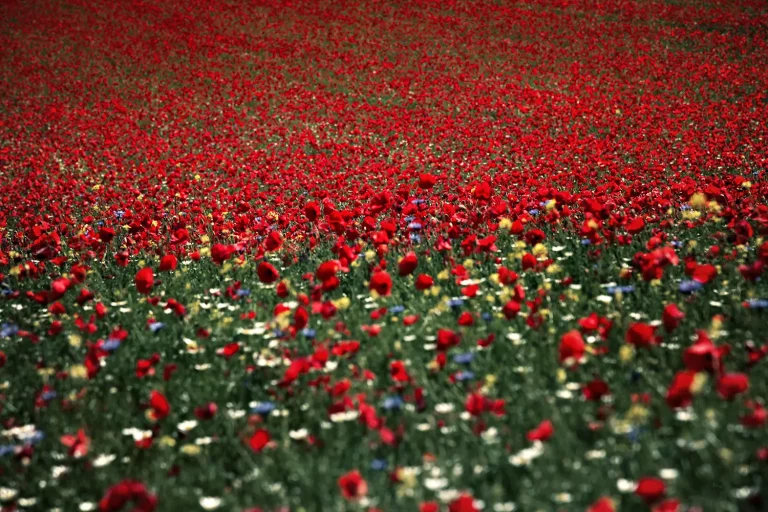
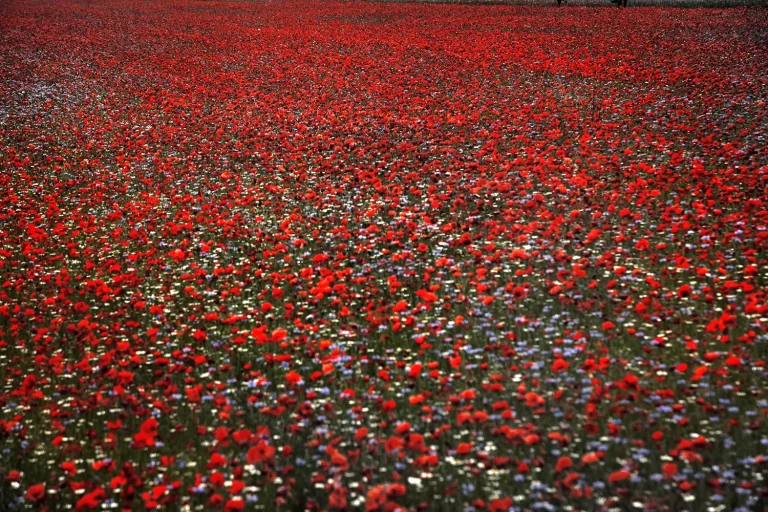
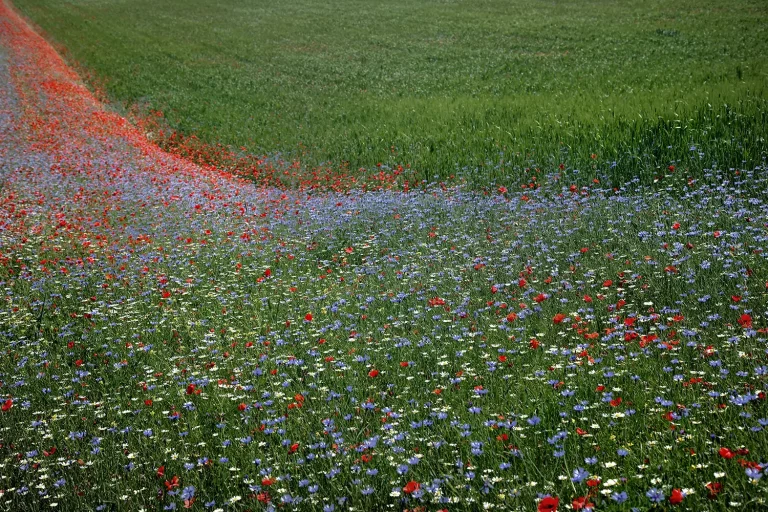
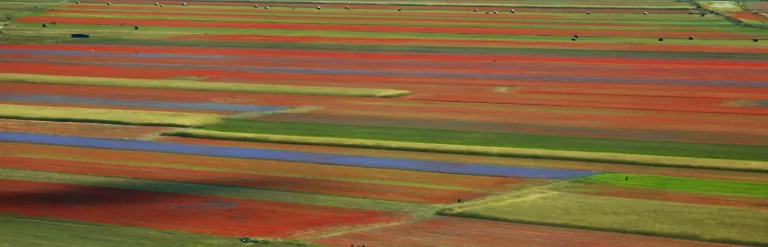
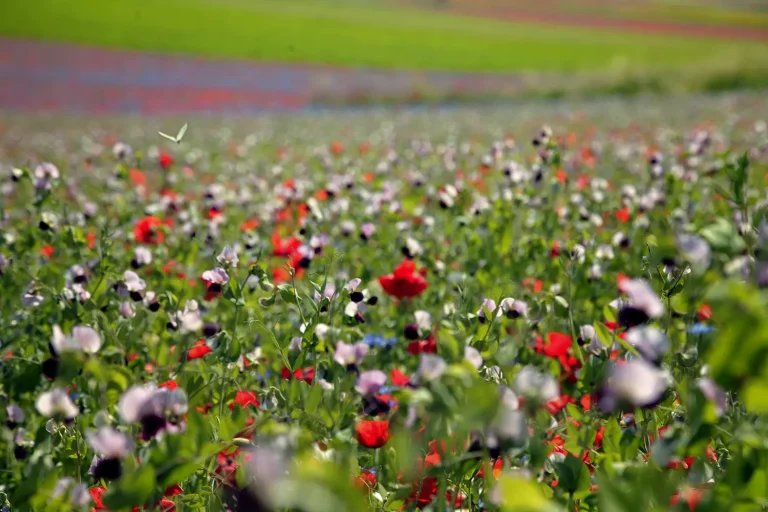
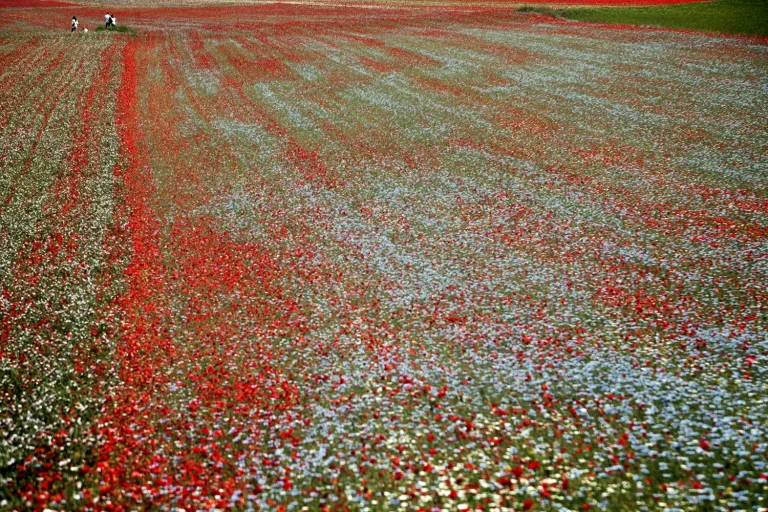
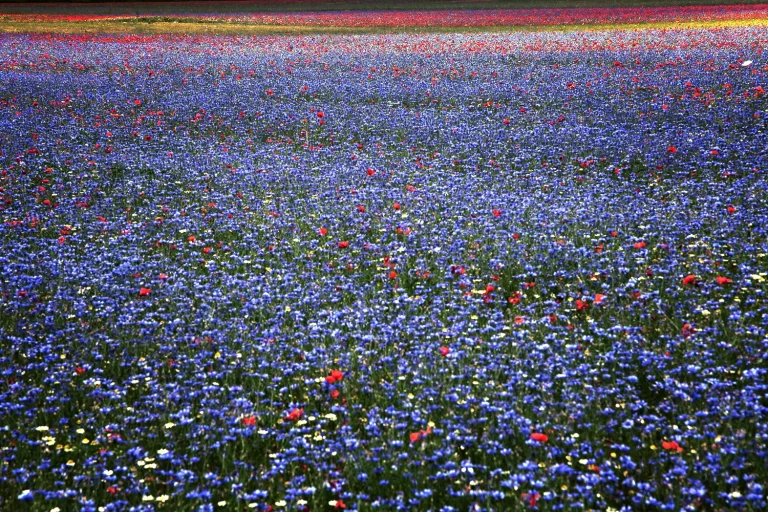
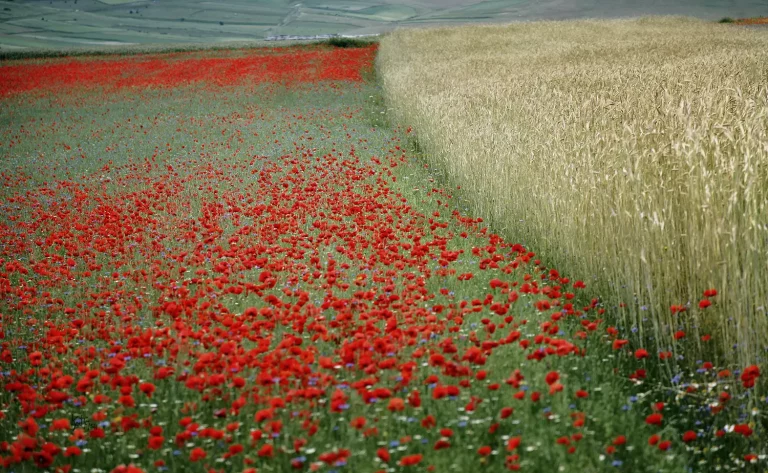
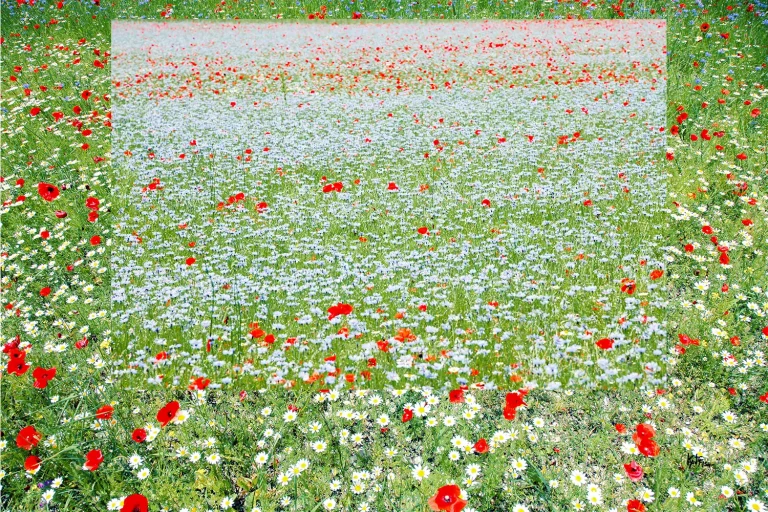
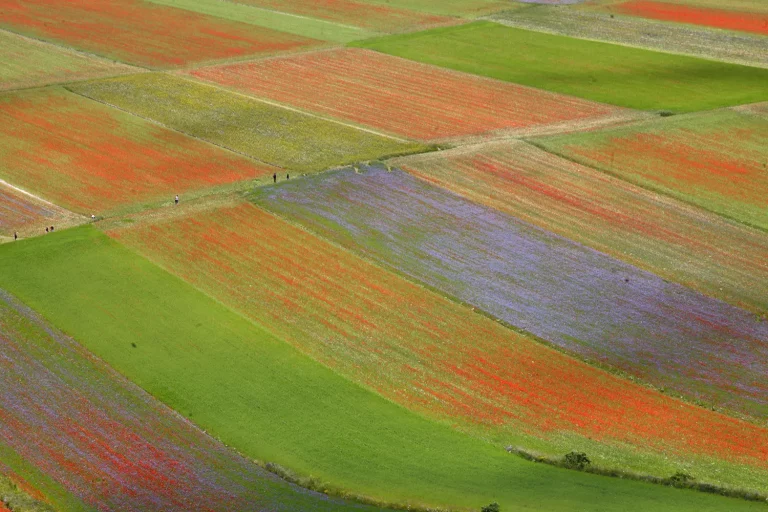
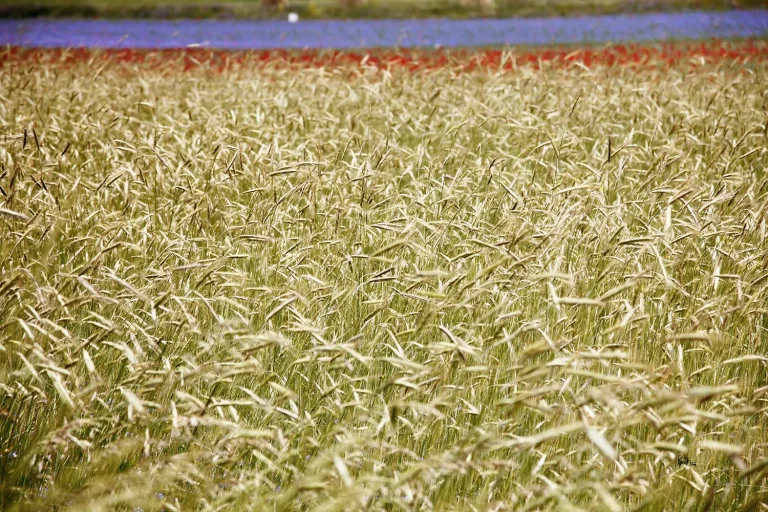
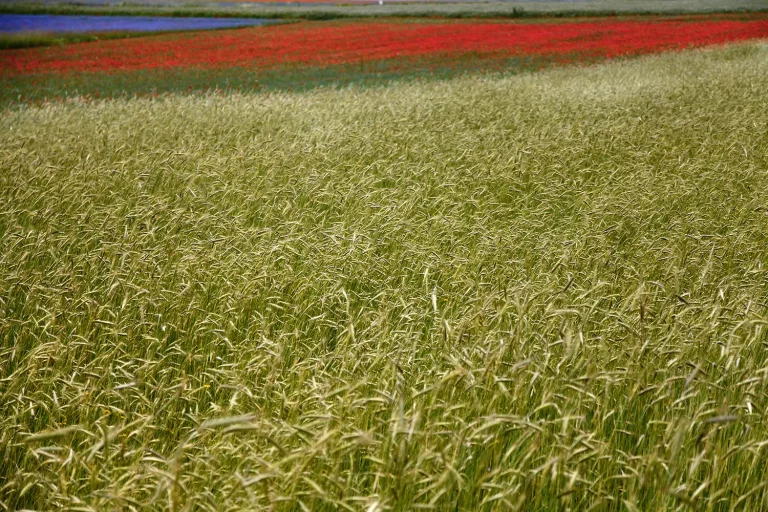
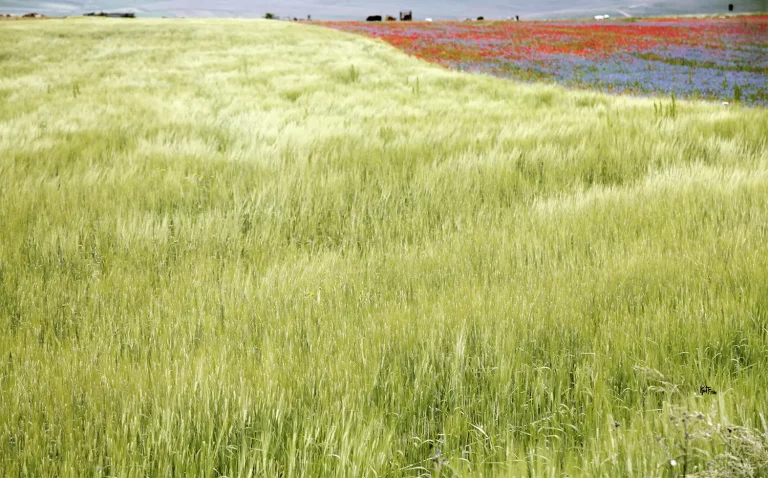
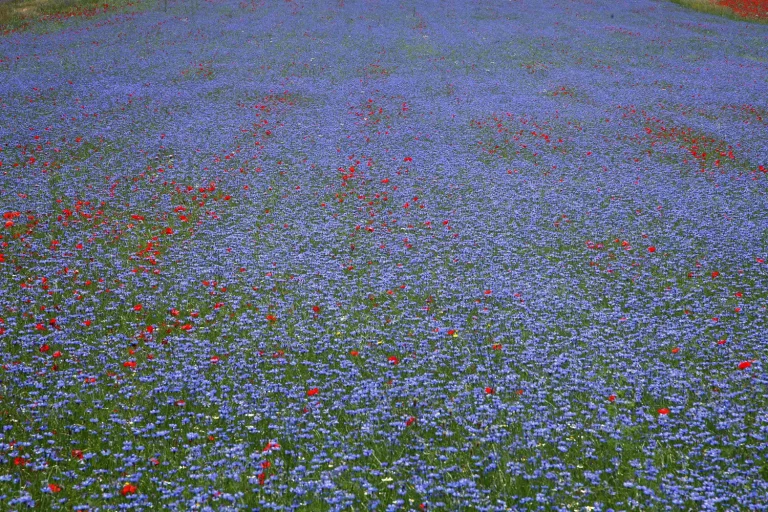
Colour as a space of suspension and return. Visualization of the Metaphor in a Melody of Colours emerges from a moment of radical pause in Umbria, at an iconic site devastated by earthquake, where a meadow of flowers survived as witness and refuge. This is not a romantic narrative. It is an act of confrontation with the intensity of life and intimate grief. A conscious reconciliation through colour and form, an artwork that does not suggest peace. It imposes it.
In Madrid, standing before the piece number VI of the series, a viewer said: “it gives me peace.” That response confirms the precision of the gesture. The artwork achieves what it seeks without sentimental mediation. Lentil flowers and violets reinvent themselves until they become unrecognisable, organised in a progression that moves from dense masses in the foreground to points lost in infinity, imposing a structure that challenges conventional perception.
Here the image is not content to be beautiful. It compels. It is immersion in intimate essence, a relinquishing of rational control, a dive into a consciousness that transcends language and confronts the primordial. Each composition functions as a threshold. The gaze dissolves and the viewer is held within the precise harmony of nature, within the silent density of the essential, where becoming one with the surrounding ceases to be an option and becomes concrete experience.
Previous
Next
Extravagance of an Impression
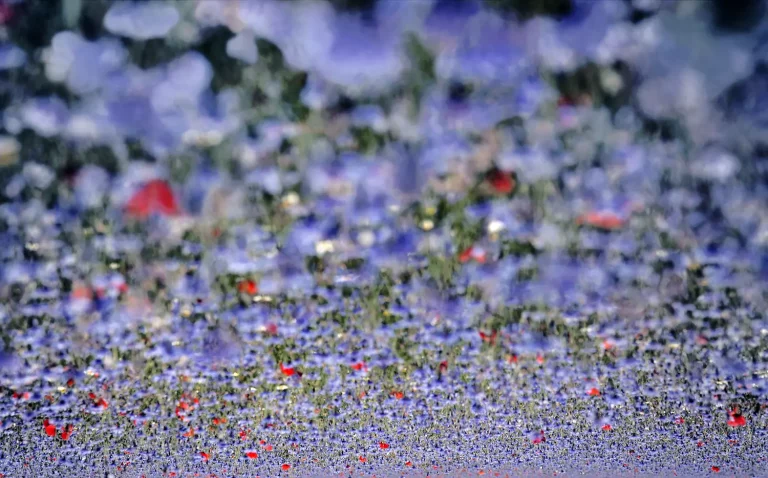
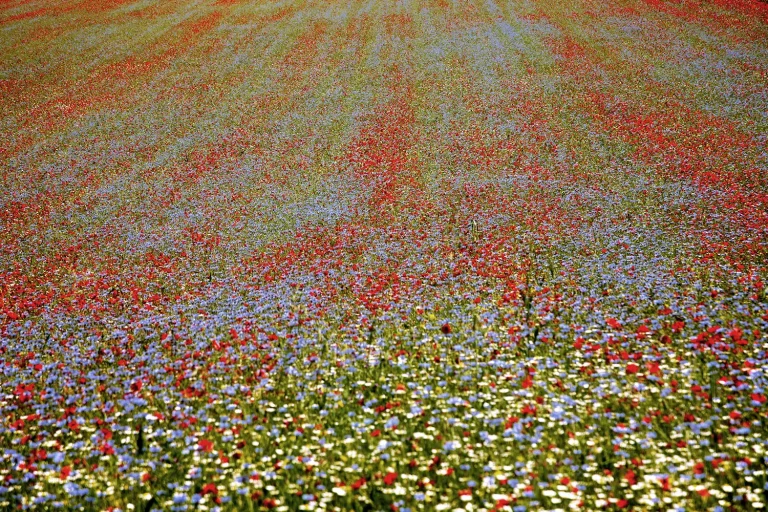
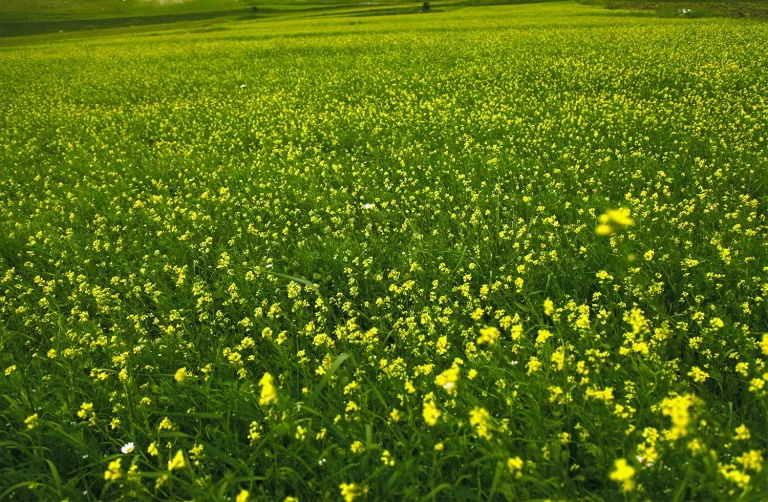
The series is born from the intention to transform flowers into visual structures that can present themselves as tapestries, waves of movement, ancient paintings or abstract compositions. Each image reorganises its matter, converting petals and leaves into a chromatic architecture that functions as structure.
In Extravagancia de una Impresión V, colours are not isolated marks. They become the points of an impossible tapestry, where perception shifts between density and void, between foreground and infinite horizon.
The gesture is not decorative. It is an investigation of rhythm and order. The gaze immerses itself in a landscape that is not contemplated but inhabited. Each point, each line of colour, responds to an internal logic that defies rational observation and demands immersion. The artwork compels an act of surrender: allowing consciousness to navigate the composition, recognising that harmony is not passive serenity but controlled tension.
Here the flower ceases to be natural matter and becomes structure. The surface becomes lived space, the tapestry or wave becomes threshold. The viewer does not look. They participate. And within that participation emerges the pure experience of colour, the density of the instant, the essence of nature transformed into active perception.
Previous
Next
ANOTHER DIMENSION IN THE ISLAND OF HOMERO
An ecosystem between the organic and the imagined
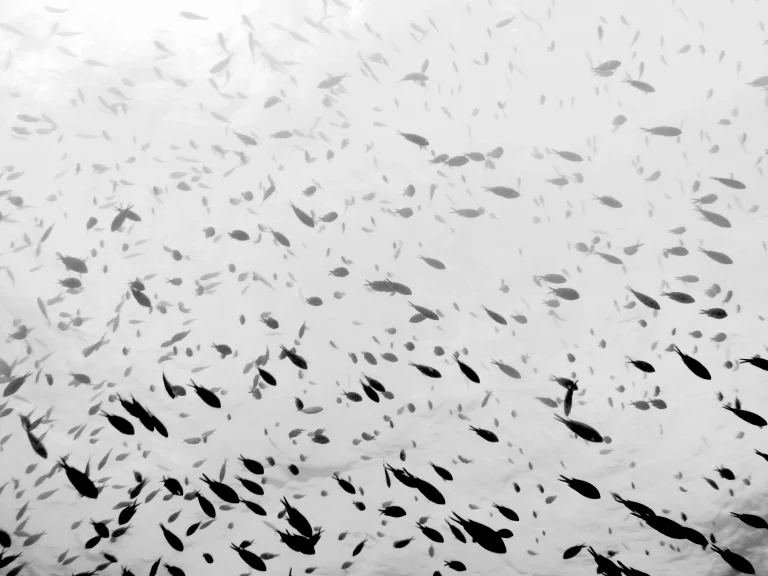
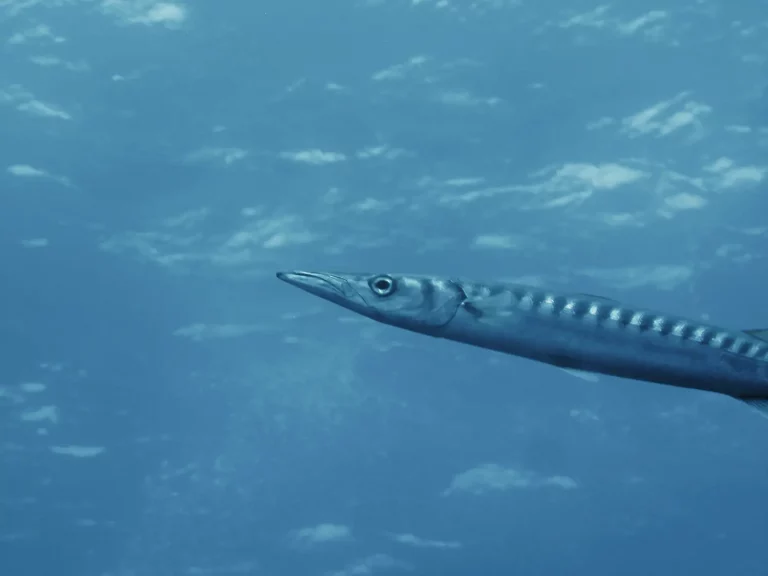
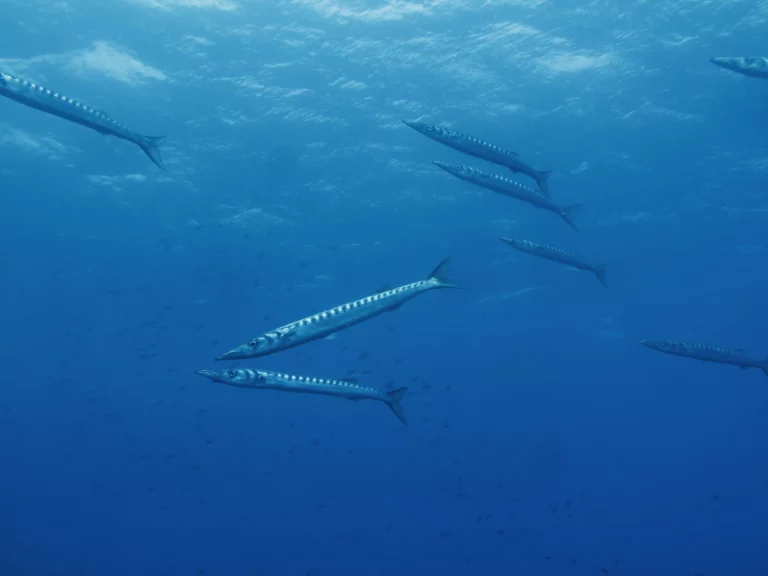
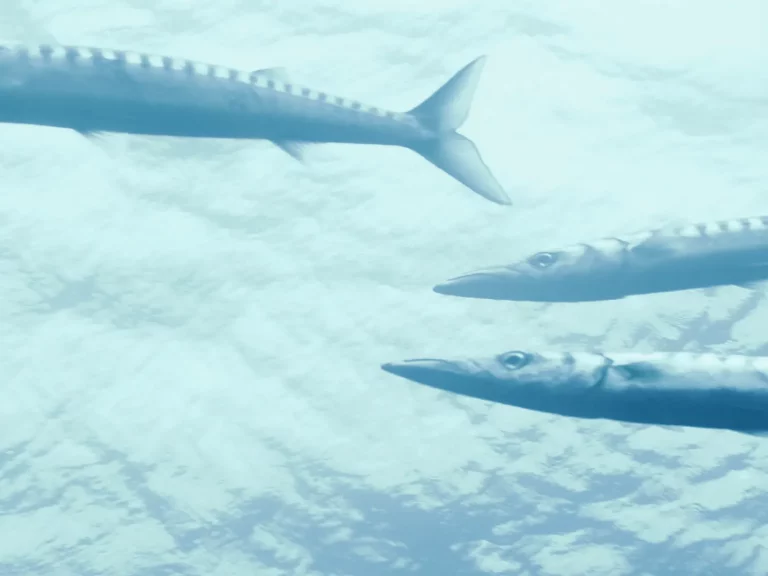
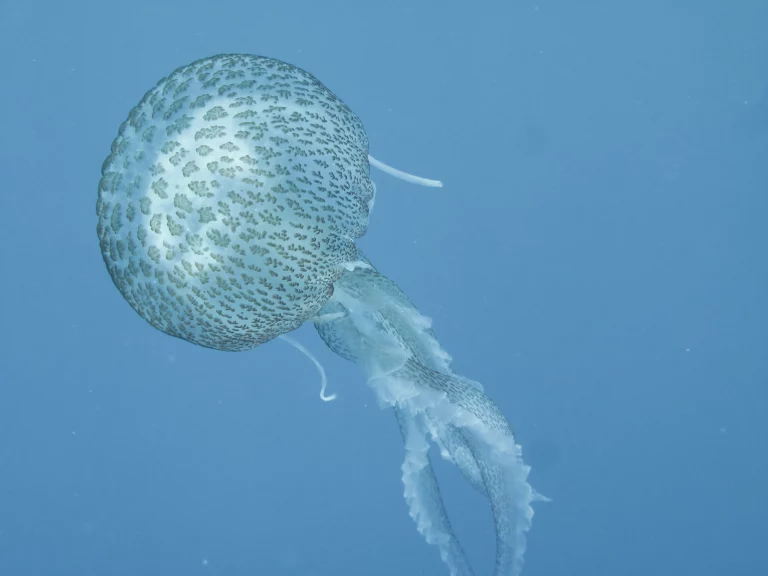
The series is born from a direct experience in the Sicilian sea, on the island of Ustica, where the artist submerges into a territory that displaces perception toward another dimension. The sea is not surface. It is an enveloping space. A medium in which light, reflection and matter transform the visible into an unstable experience.
At depth, within Italy’s first marine reserve, the landscape becomes metallic and shifting. Prehistoric. Forms emerge and dissolve within a living system that refuses to be fixed.
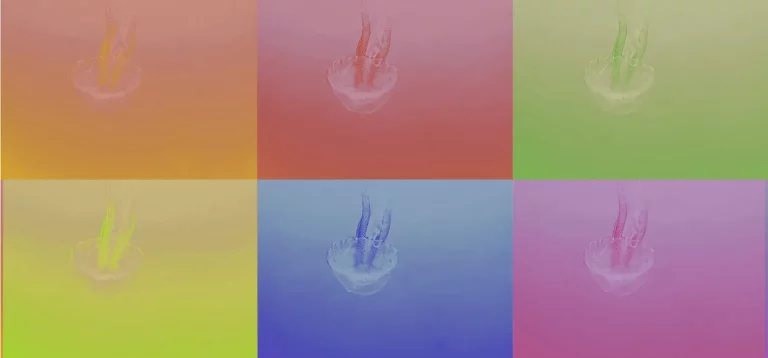
The sea functions as canvas. Upon it, elements are isolated, reorganised, tensioned. The composition introduces a deliberate construction where the natural and the intervened coexist. Structures, rhythms and relationships emerge that approach a pop logic without losing density.
This territory connects to a broader memory. The Mediterranean as mythic space where the narratives of Homer are not represented but reactivated. Ustica as threshold where the sirens of Ulysses drew sailors toward the unknown.
The image does not document. It constructs a threshold. A place where the body loses reference and perception shifts toward a space where reality ceases to be singular.
Previous
Next
ANIMAL INSTICT
Look into the eyes of Nature
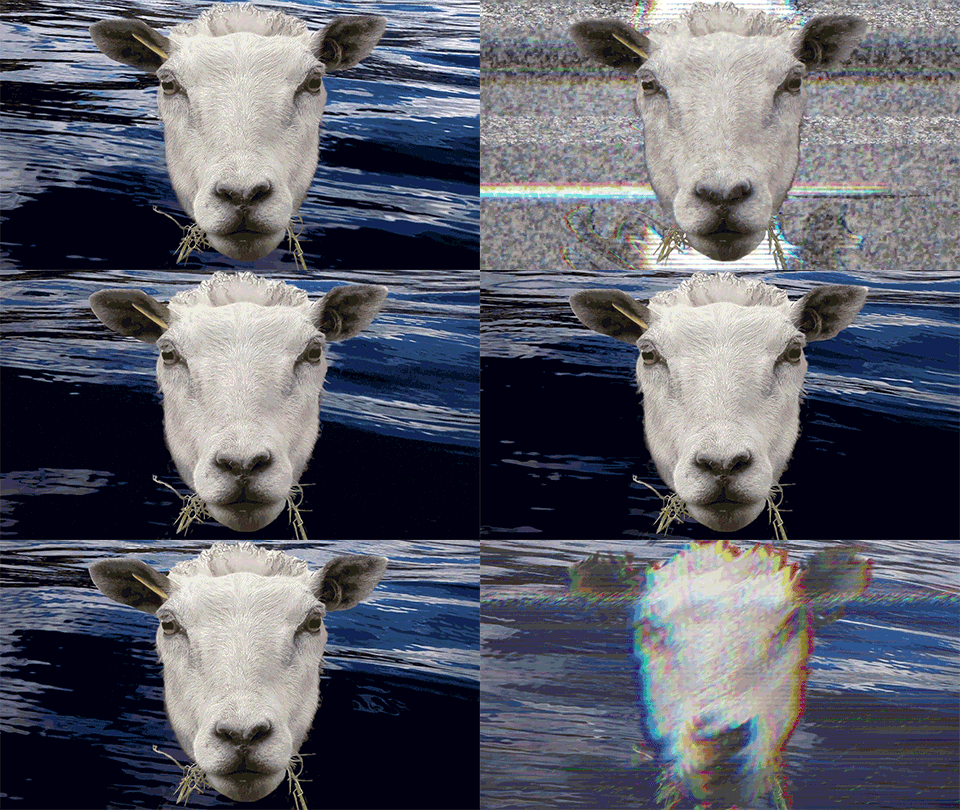
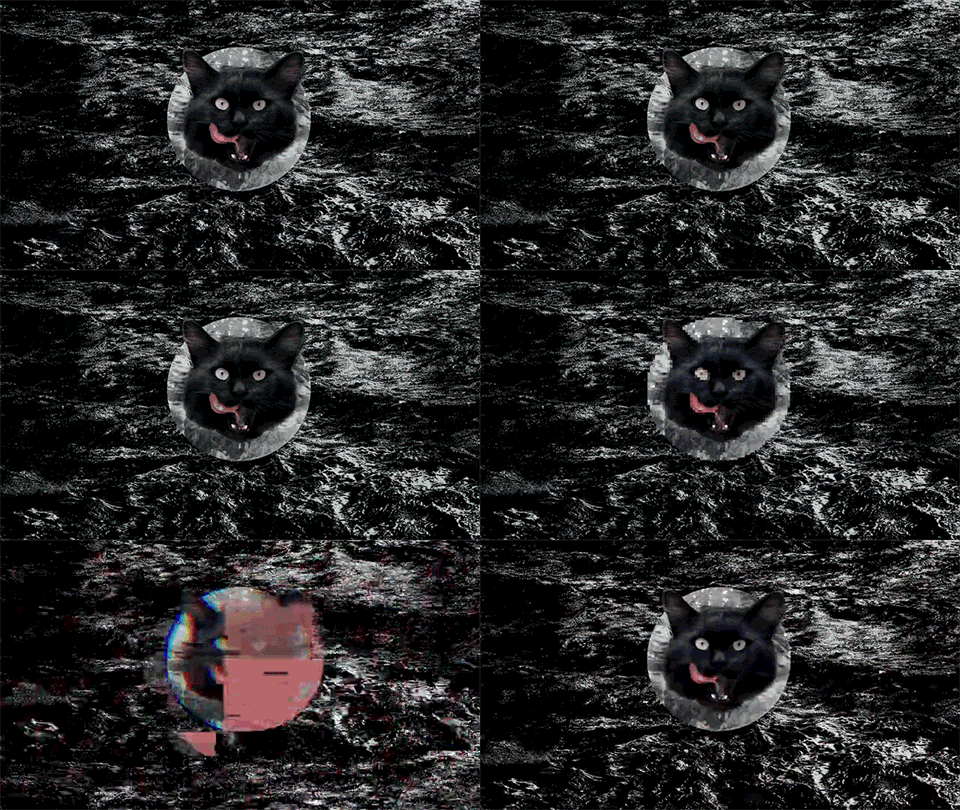
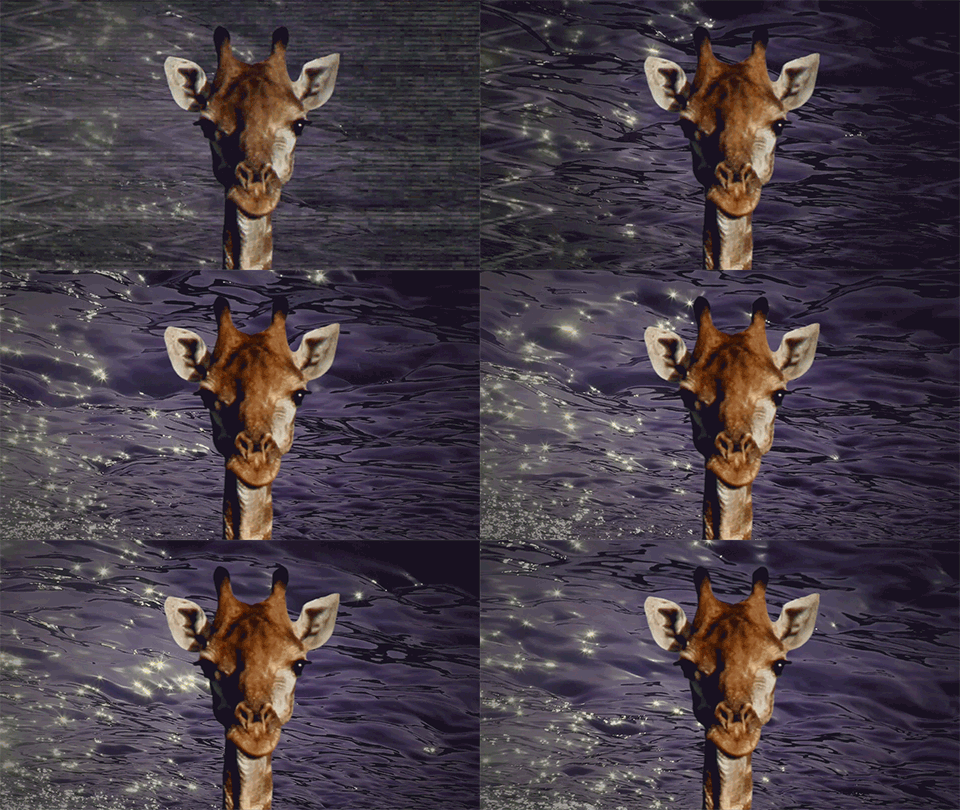
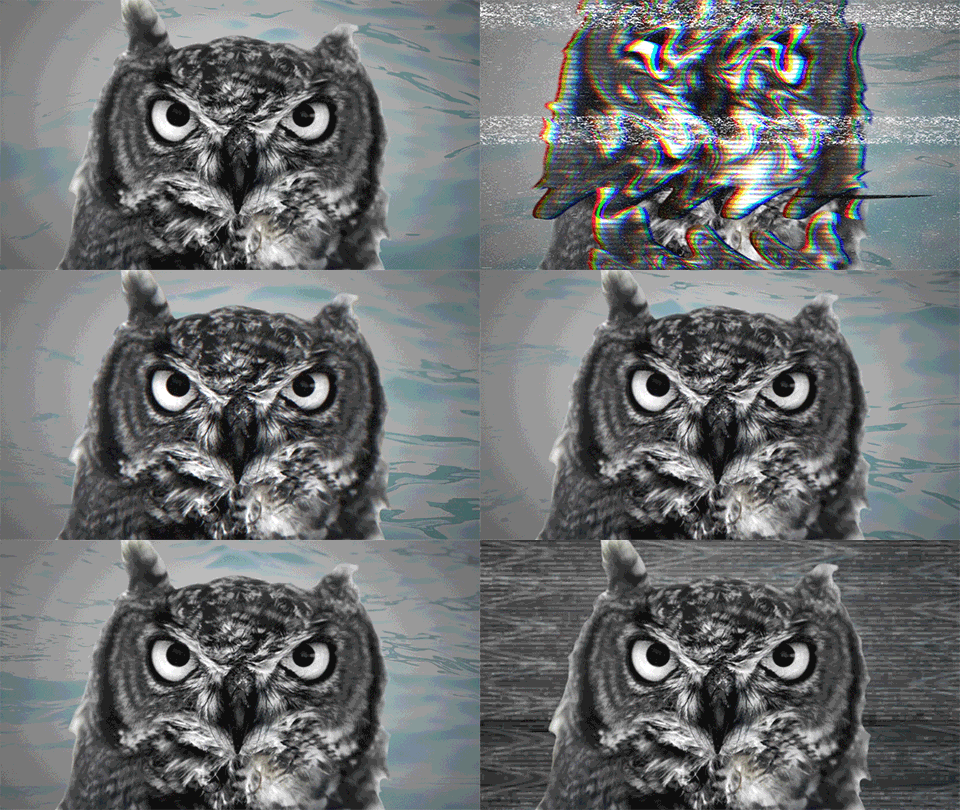
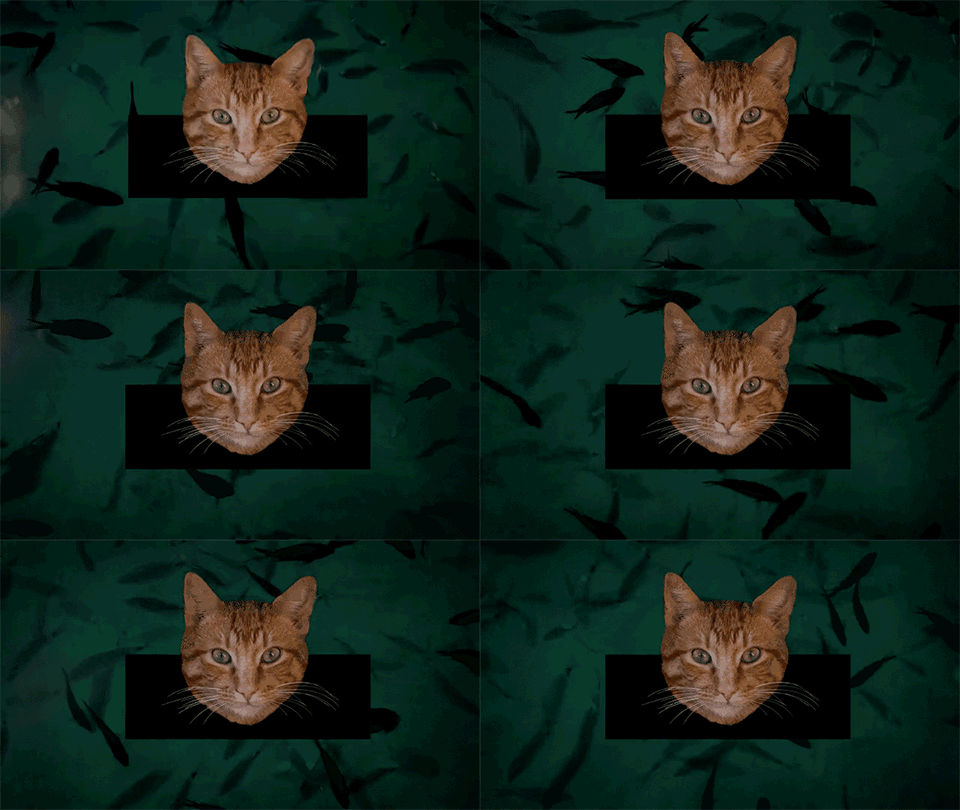
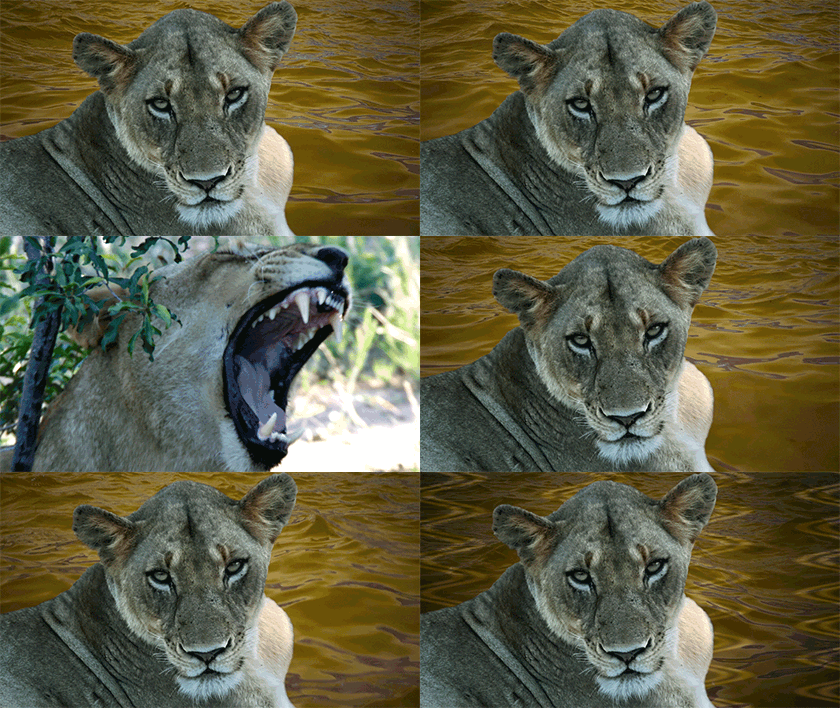
Animal Instinct displaces the animal portrait toward a territory of direct confrontation. There is no distance. The animal looks. It holds the gaze. It compels.
The series is constructed from video art loops in which photography, glitch and moving backgrounds generate constant tension. The sea and other natural elements do not function as context. They act as flux. A living space that surrounds and activates the presence of the animal.
Each artwork departs from a direct experience of the artist. Lion, giraffe, owl, feline. These are not symbols. They are presences. Decontextualised, isolated, confronting the viewer in a close proximity that eliminates any external narrative.
The gesture is clear. In an environment dominated by productivism, the series forces a displacement toward the essential. It does not propose reflection. It imposes evidence. To look into the eyes of nature is to recognise oneself within it.
Rocket Ship, presented at the Guinovart space of the Avalanche Summit in Barcelona on a large-format LED screen, introduces this logic into a public and technological space. The artwork does not adapt to its environment. It interrupts it. It inserts the animal gaze into the heart of a system oriented toward production, generating friction.
There is no representation here. There is confrontation. Nature does not appear as landscape. It appears as consciousness.
Previous
Next
FAR WEST LUANDA
The city as a territory of fiction and survival
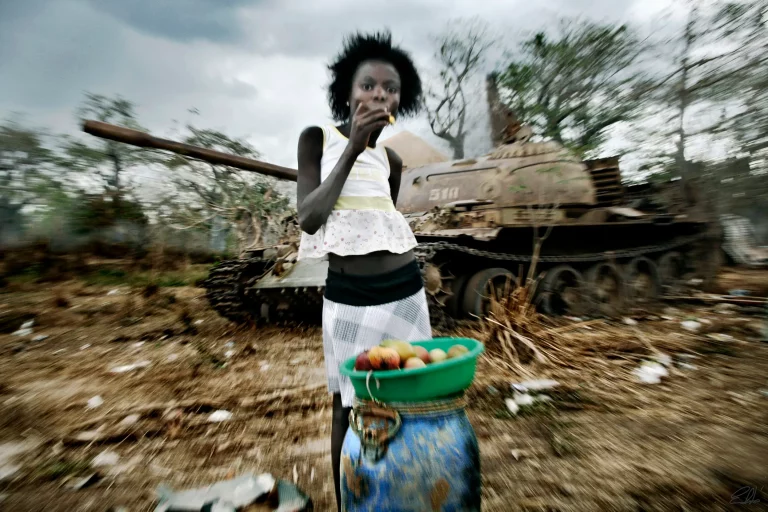
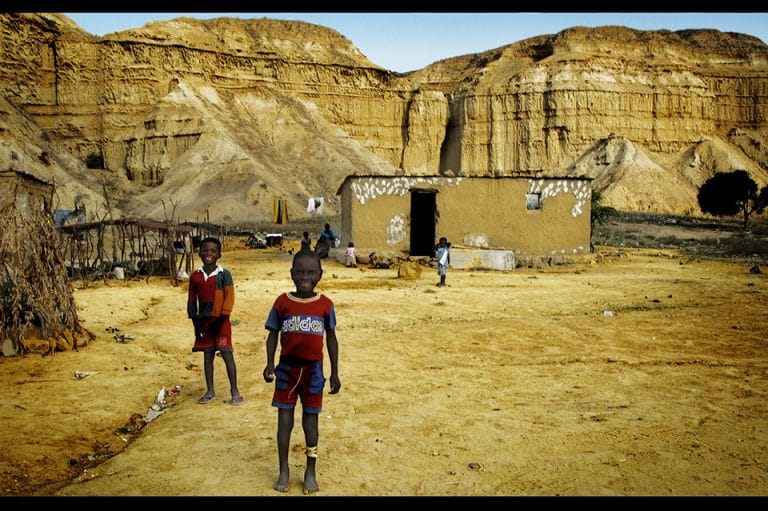
The series is born from a direct experience in Angola. On the road between Kalandula and Luanda, the artwork New Era captures an abandoned tank, vestige of the civil war, standing as an immobile structure. Before it, a young woman eats a mango. The gesture is simple, but contains a radical tension.
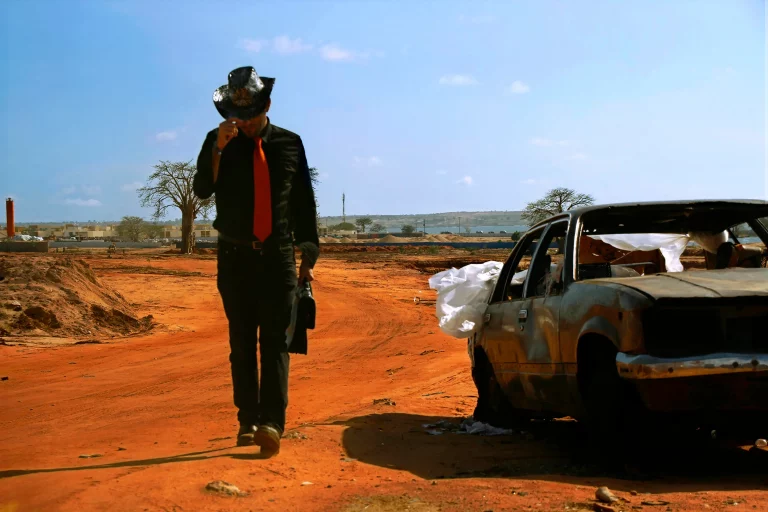
Elsewhere in the territory, Far West Luanda presents a businessman crossing a landscape of red dust and iron. The suit and briefcase do not belong. The scene is not contradiction. It is symptom. Two presences that define a single displacement.
There is no historical reconstruction here. There is a confrontation of times. Violence sedimentated in the territory, set against figures who do not deny it but move through it. The image does not document. It displaces. Elegance introduces a fissure into the memory of conflict.
War recedes into a latent background. What emerges is something else entirely. A transition that is not announced but embodied. Beauty appears as silent resistance, as an unexpected affirmation within a ferocious context.
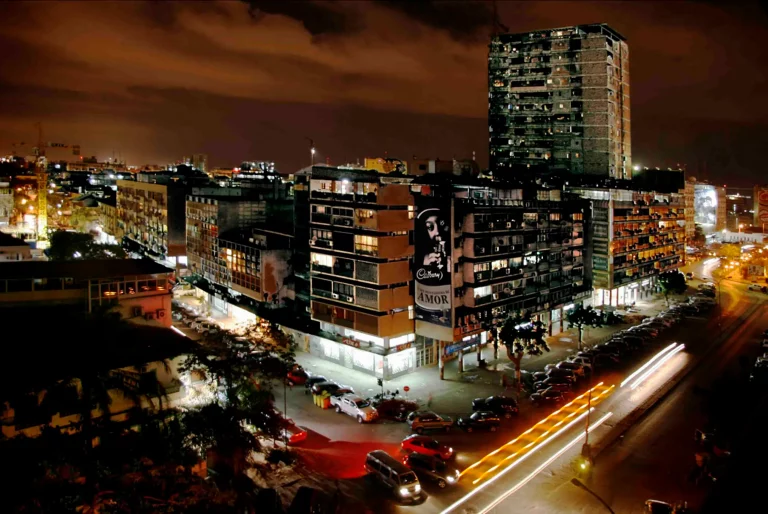
From the height of the Hotel Presidente, Luanda presents itself as a system under tension. Cranes, disordered growth, global capital, promise and exhaustion coexist without equilibrium. The fiction of progress overlays the constant pressure of survival.
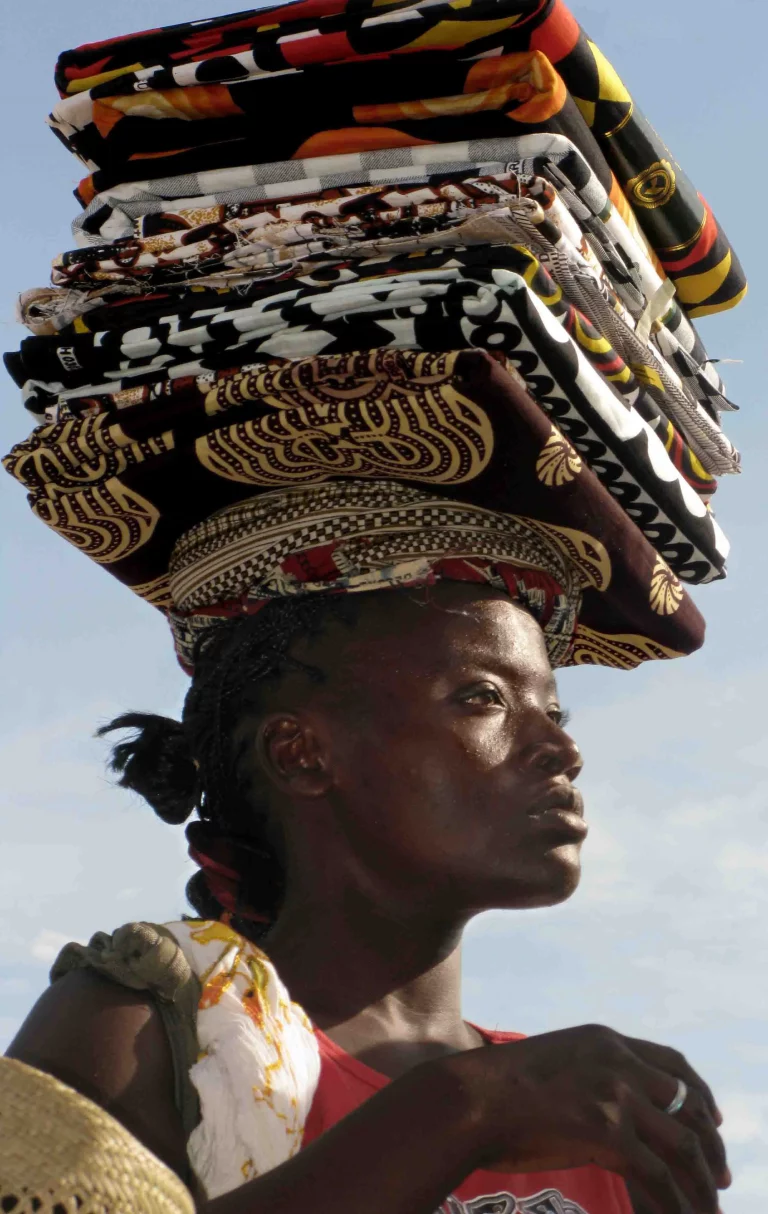
Far West Luanda does not describe a place. It constructs a perception. A space where conflict does not disappear but changes form. Where wealth and precarity coexist without mediation. Where every presence becomes evidence.